

NYU Shanghai, in partnership with the NYU Tandon School of Engineering and NYU Department of Electrical and Computer Engineering, invites applications from exceptional students for PhD study and research in Electrical Engineering.
Participating students are enrolled in the NYU Tandon Electrical Engineering PhD program, complete their coursework at the NYU Department of Electrical and Computer Engineering, and then transition to full-time residence at NYU Shanghai where they undertake their doctoral research under the supervision of NYU Shanghai faculty.
Highlights of the Program
- NYU degree upon graduation
- Graduate coursework at the NYU Department of Electrical and Computer Engineering in New York
- Research opportunities with and close mentorship by NYU Shanghai faculty
- Access to the vast intellectual resources of NYU Tandon School of Engineering and NYU Department of Electrical and Computer Engineering
- Cutting-edge research environment at NYU Shanghai, including the Institute of Physics, a thriving community of PhD students, post-doctoral fellows, and research associates, activities such as a regular program of seminars and visiting academics, and links with other universities within and outside China
- Financial aid through the NYU Shanghai Doctoral Fellowship, including tuition, fees, and an annual stipend
- Additional benefits exclusive to the NYU Shanghai program, including international health insurance, housing assistance in New York, and travel funds
Supervising Faculty
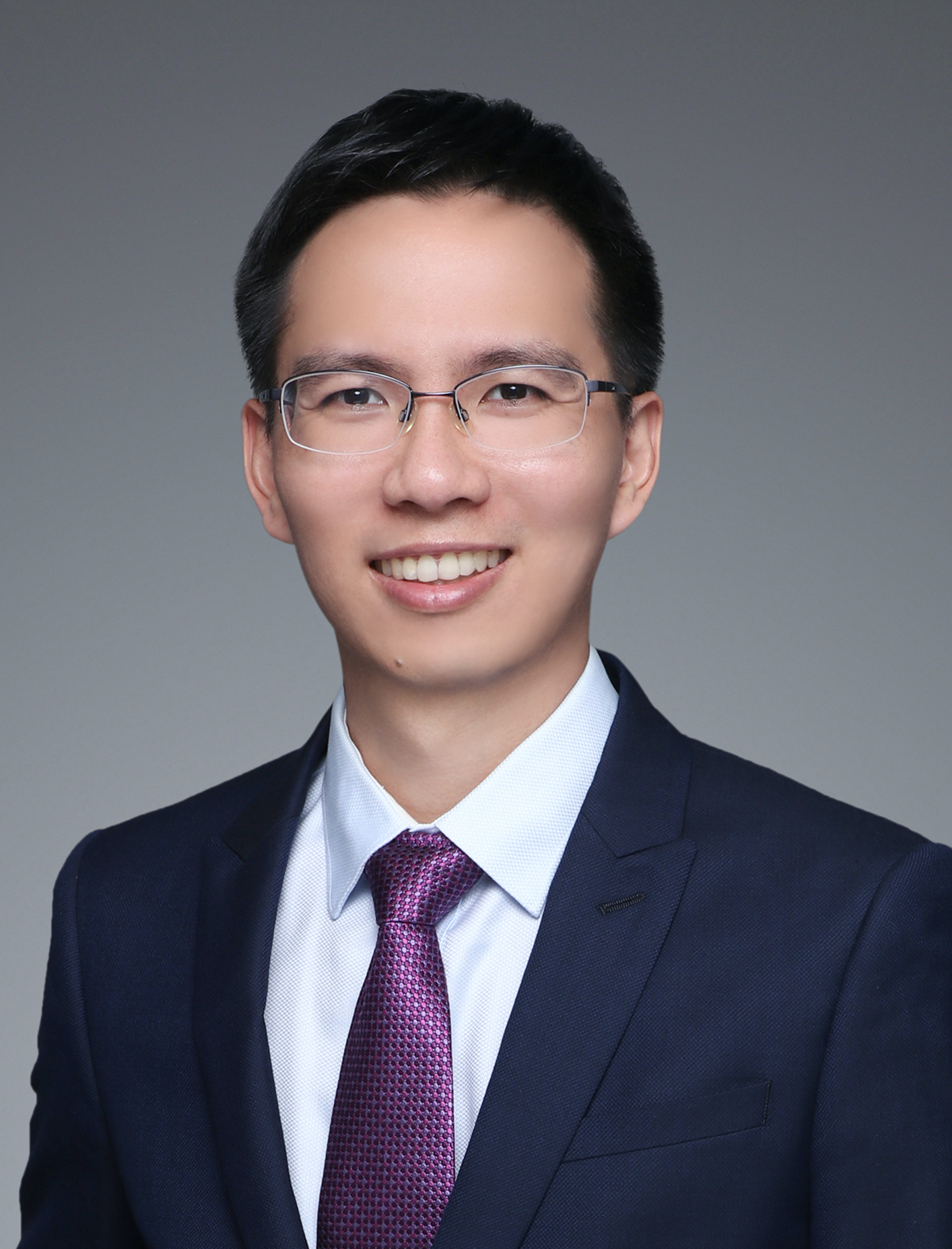
Zhibin Chen
Network Modeling & Optimization, AI for Transportation, Emerging Vehicle Technologies
Recent Publications by NYU Shanghai Faculty
- Liu, Y., Menendez, M., & Chen, Z.* (2026). On the cost-effectiveness of modular transit systems. Accepted by ISTTT 26.
- Liang, Q., Chen, Z.*, & Zhong, R. Dynamic control protocol for connected commercial fleets. Accepted by Transportation Research Part B: Methodological.
- Li, Z., Ma, W., Menendez, M., Chen, Z.*, & Zhong, M. (2026). Synthetic data generation for joint electric vehicle driving and charging events via deep generative networks. Transportation Research Part C: Emerging Technologies, 183, 105481.
- Hao, Y., Chen, Z.*, Sun, X., & Tong, L. (2025). Planning of truck platooning for road-network capacitated vehicle routing problem. Transportation Research Part E: Logistics and Transportation Review, 194, 103898.
- Deng, Y., Chen, Z.*, & Lin, X. (2025). Cost-competitiveness analysis of mobile chargers in an electric vehicle parking and charging system. Transportation Research Part C: Emerging Technologies, 171, 104951.
- Liu, Y., Chen, Z.*, & Wang, X. (2024). Alleviating bus bunching via modular vehicles. Transportation Research Part B: Methodological (Special issue on ISTTT 25), 189, 103051.
- Lin, X., Chen, Z.*, Li, M., & He, F. (2024). Bunching-proof capabilities of modular buses: an analytical assessment. Transportation Science, 58(5), 925-946.
Structure of Program
Participating students complete the PhD degree requirements set by the NYU Department of Electrical and Computer Engineering and in accordance with the academic policies of NYU Tandon School of Engineering. Each student develops an individualized course plan in consultation with the Director of Graduate Study at the NYU Department of Electrical and Computer Engineering and the student’s NYU Shanghai faculty advisor. Most students will complete their PhD in 4-5 years. A typical sequence follows:
in Shanghai
border
Begin program with funded research rotation, up to 3 months preceding first Fall semester, to familiarize with NYU Shanghai and faculty as well as lay a foundation for future doctoral study.
(Fall and Spring)
in New York
border
Complete PhD coursework at NYU Department of Electrical and Computer Engineering alongside other NYU PhD students.
in Shanghai
border
Return to Shanghai for second funded research rotation to solidify relationships with NYU Shanghai faculty and make further progress in research.
and Beyond
in Shanghai
border
Under supervision of NYU Shanghai faculty advisor, pursue dissertation research and continue coursework. Depending on each student’s individualized course of study, return visits to New York may also occur. Complete all required examinations and progress evaluations, both oral and written, leading up to submission and defense of doctoral thesis.
To learn more about the NYU Electrical Engineering PhD program degree requirements, please visit this page.
Application Process and Dates
Applications are to be submitted through the NYU Tandon Application portal, within which students should select the Electrical Engineering PhD as their program of interest. Applicants will be evaluated by a joint admissions committee of New York and Shanghai faculty. Application requirements are set by the NYU Department of Electrical and Computer Engineering and are the same as those for all NYU PhD applicants, no matter their campus preference; however, candidates should elaborate in their application and personal statements about their specific interests in the NYU Shanghai program and faculty.
For admission in Fall 2027, the application deadline is December 1, 2026.
Contact Us
Interested students are welcome to contact Vivien Du, PhD Program Manager, via email at shanghai.phd@nyu.edu with any inquiries or to request more information.