

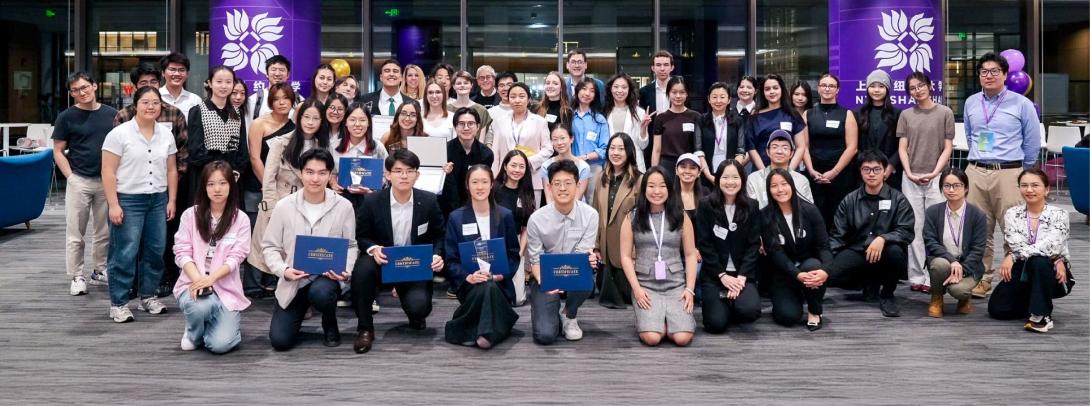
The Spring 2026 Undergraduate Research Symposium, hosted on campus on May 8, gave students a chance to share their own research with the NYU Shanghai community. Students presented their work in three categories—Social Science; Mind, Brain, & Society; and Life Sciences—and were evaluated by a committee of faculty judges.
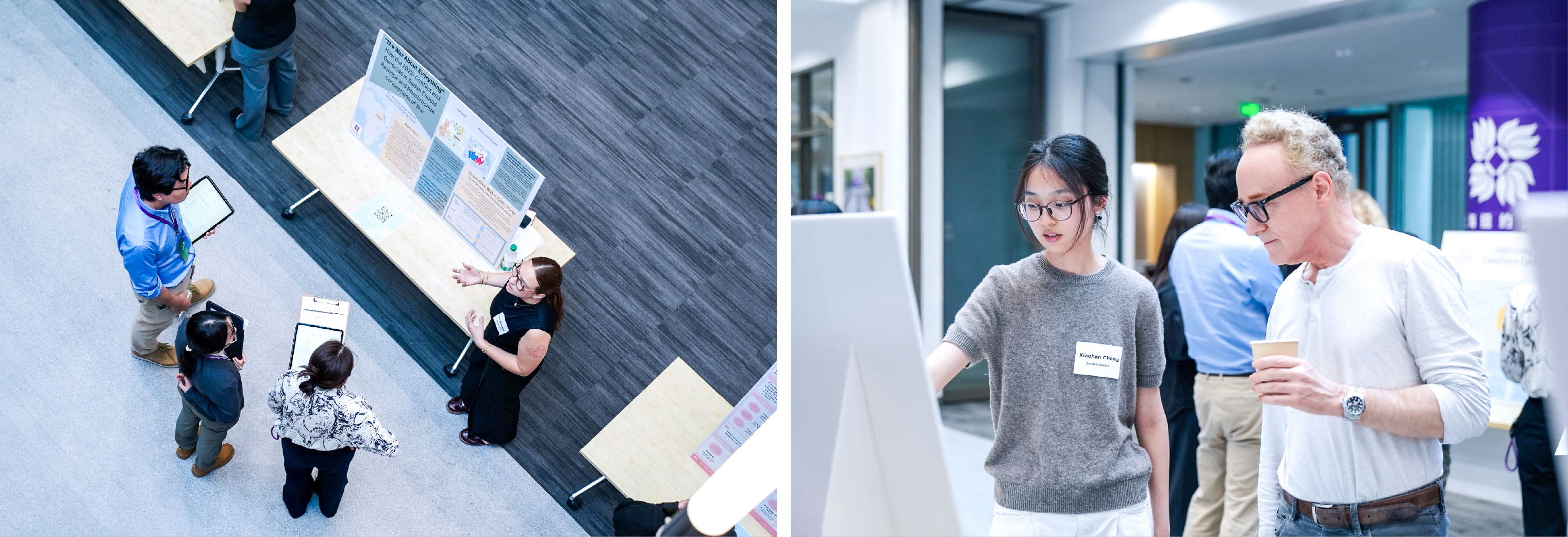
Assistant Professor of Mathematics and Neuroscience Professor Xiao Zhuocheng, one of the faculty judges, said he was impressed by both the quality of the questions the students chose and the depth of their work. “I am very proud of our students,” he said. “Their research ability is comparable to that of the strongest undergraduates I know in China and the US.”
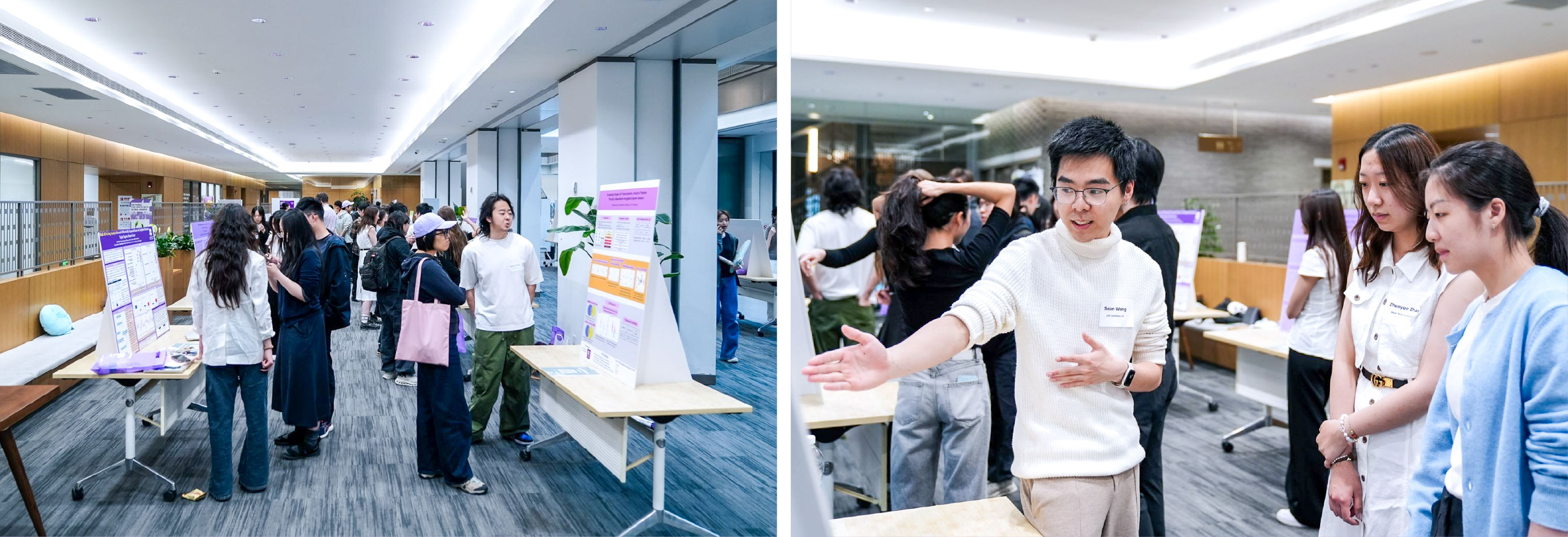
Assistant Dean for Curriculum and Clinical Associate Professor of French Melanie Hackney said she was impressed by the depth of research and sound methodology of the students’ research. “The passion that students showed for their topics was particularly inspiring,” she said. “Students were able to articulate the significance and future paths for their research.”
The semi-annual event highlights the emphasis NYU Shanghai places on supporting student research and student-faculty research collaboration. Vice Provost for Academic Affairs John Robertson, Dean of Arts and Sciences David Atwill, Assistant Professor of Computer Science Wang Shengjie, and Professor of Practice in Biology Li Wenshu presented awards to student researchers at the ceremony.
Below are the winners for Best Research Project and Best Presentation in Social Science; Mind, Brain & Society; and Life Sciences, as well as Most Popular Project, as voted by attendees of the symposium.
Social Science
Best Research Project
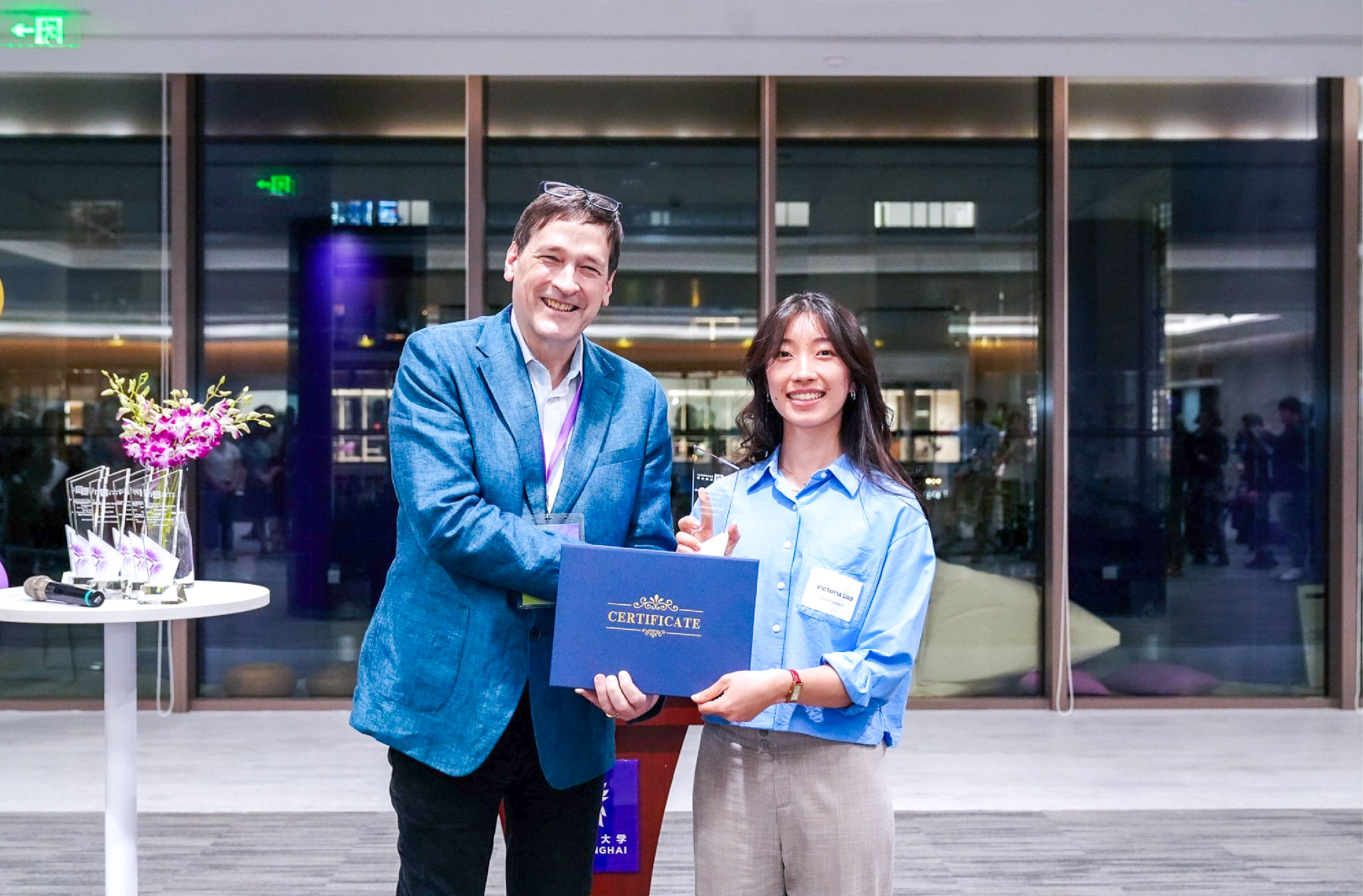
Mapping Democratic Backsliding
Researcher: Victoria Liao ’26
Mentor: Ivan Rasmussen and Wang Zhaonan
Project Abstract: The term “democratic backsliding” is used to describe the phenomenon of a democracy becoming increasingly undemocratic. Previous scholarship relies largely on indicator data, but the Democratic Erosion Event Dataset (DEED) empowers novel, text-based approaches. This project uses DEED and Natural Language Processing (NLP) methods to mine a typology of backsliding events grounded in Margolis’ five concepts of political instability, and train an existing hierarchical text classification model (TELEClass). Further, this project’s findings and case studies suggest that conditions for and manifestations of democratic erosion may be different in democratic regimes than authoritarian regimes.
What was it like working with your mentors?
They really helped me bring my interdisciplinary passions to fruition. They were also incredibly encouraging, ensuring that each meeting was made with enthusiasm and a next step forward. I think they were the perfect advisors for me, and I’m really grateful to have had this opportunity.
What did you learn from this research experience?
Anything worth doing is going to be difficult, and curiosity is the strongest motivator. It was challenging bringing my last four years together, especially as a double major in rather disparate majors, but that drive to know more, to read more, to speak more about issues that are important to me kept me going. It’s a special feeling when you find your calling in the thick of it all.
Best Presentation
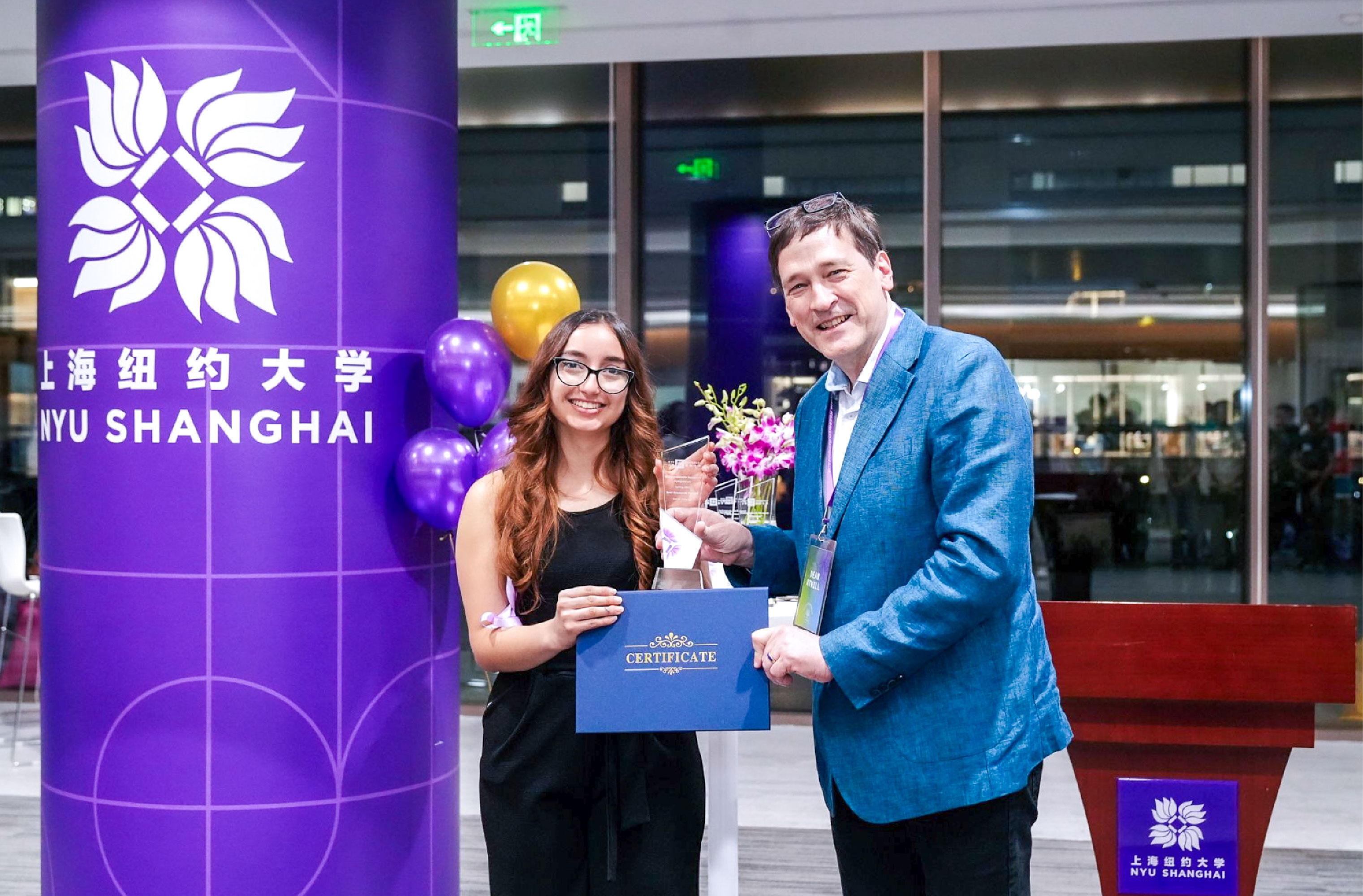
Gestalt Chunking and How Radical Organization Shapes Learning and Recognition of Chinese Characters
Researcher: Mya Hasbun ’28
Faculty Mentor: Zhang Kehui
Project Abstract: Chinese characters are visually complex and highly structured with strokes that are grouped into radicals and radicals that are then constrained within spatial templates. Xu Bing, a widely recognized conceptual artist created over 100,000 characters. Using a two-phase experimental design, I examine how Gestalt organizational principles influence both the learning of novel characters and the perception of orthographic legitimacy. Participants will learn a judgment task involving real and pseudo characters. I hypothesize that Gestalt-consistent organization inclines people to use perceptual chunking, while pseudo-legal forms generate processing delays due to structural familiarity. Native Chinese speakers This research highlights the role of visual organization in shaping reading processes and challenges assumptions about how meaning emerges from written form.
What was it like working with your mentor?
I remember falling in love with psychology after taking her Intro to Psych course fall semester of freshman year. She was so inspiring and she did an amazing job of keeping the class engaged with the lectures. After enrolling in her course again this semester for cognitive psychology, one day during our perception unit lecture, I stayed after class to pitch her my idea for my research and she was so supportive. She has always been so encouraging and she also has research of her own so I thought that was so inspiring!
What challenges did you face and how did you overcome them?
When it comes to research, the biggest challenge I faced is pinpointing my research question. I find that I want to cover every single possible unanswered question, thinking that by doing so I will be able to answer every possible question that people could potentially have regarding certain topics, but I learned that in order to even spark anyone’s interest regarding something I want to do research on, it’s so important to create something that is simple yet impactful for audiences to listen to.
Mind, Brain, & Society
Best Presentation
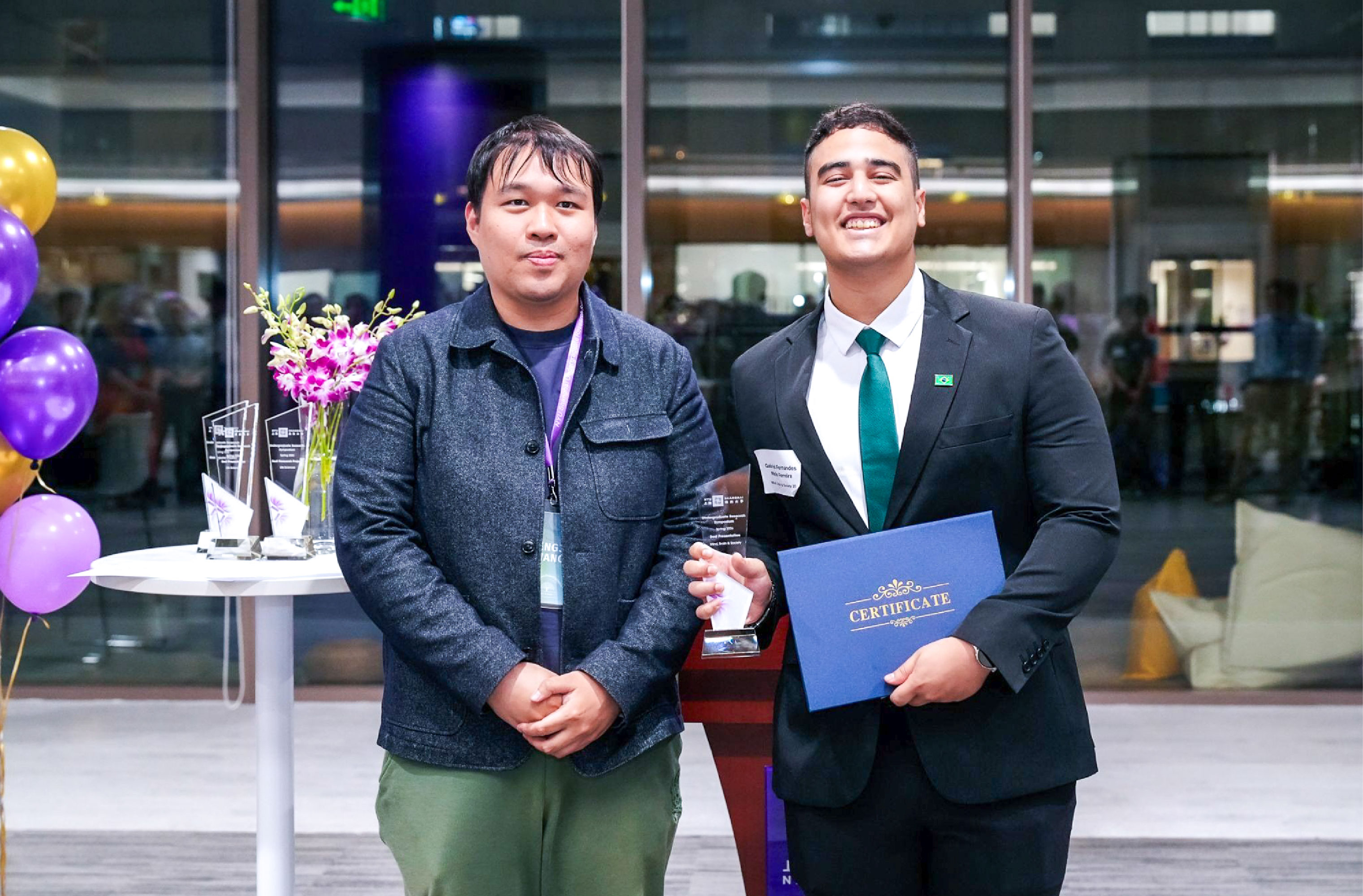
Degrees of Inequality: Heat Exposure and Vulnerability in Rio’s Public Schools
Researcher: Gabriel Fernandes Mello Ferreira ’28
Faculty Mentor: Huang Kangning
Abstract: In Rio de Janeiro, public schools are especially vulnerable to extreme heat waves due to inadequate or absent cooling infrastructure and poor building conditions. Combining a literature review on the impacts of heat on students’ cognitive performance with survey data of faculty perceptions, this research analyzes how elevated temperatures affect learning conditions in public schools. By identifying patterns of thermal inequality and examining perceived educational impacts, this study contributes to discussions on climate vulnerability, educational equity, and urban adaptation policy in Brazil.
What was it like working with your mentor?
I've been working with my mentor since the second semester of my freshman year when I joined the First Year Fellowship program, so I truly feel that we have built a very special connection! It’s amazing to think that we've been working together for almost 2 years!!! Every meeting flows so naturally, and we always exchange ideas and the excitement of the research. It has always been inspiring to work with him throughout this process.
What did you learn from this experience?
Through this experience, I learned how to conduct and organize a research survey. I was able to get more than 80 professors to respond, which was something I was really proud of. It was amazing to develop the survey, think carefully about the questions, and then see how engaged the professors were with the topic and the research itself.
Best Research Project
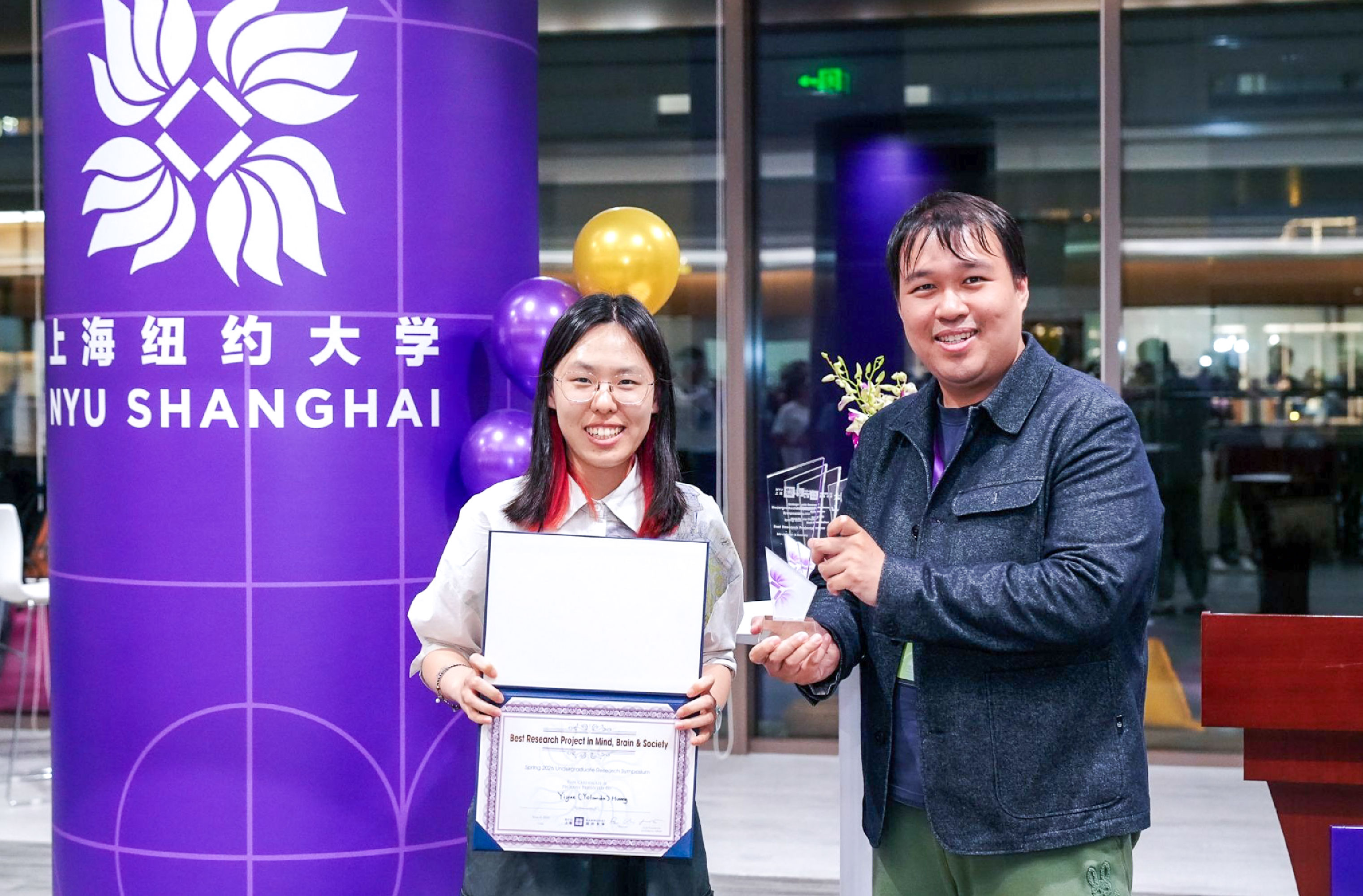
Neural Dynamics and Representations of Imagined Speech
Researcher: Yolanda Huang Yiyue ’26
Faculty Mentor: Adeen Flinker, Tian Xing
Abstract: Current speech neuroprostheses rely heavily on decoding neural representations during overt or attempted speech, which may be impaired in severely paralyzed patients. On the other hand, imagined speech deploys non-motor signals but remains understudied. We applied machine learning approaches to analyze electrocorticography data, investigating what brain areas and neural features are active during imagined speech. We identified pre-articulatory and articulatory activities in the inferior frontal, precentral, and postcentral gyri. Encoding models revealed comparable acoustic, phonemic, and articulatory representations across these regions. Our findings highlight the potential of non-motor cortical signals to advance speech neuroprostheses for individuals with severe paralysis.
What did you learn from this experience?: I learned to explain my research to an audience outside my field of study. In my initial draft of presentation scripts, I used a great many professional terminologies that people outside neuroscience have never heard of, making my presentation hard to understand. To address this issue, I practiced presenting to my friends of non-science majors, and consulted Flinker Lab members on improving my wording. Gradually I learned to explain my research in a way that everyone could understand.
What was most surprising to you about this experience?: Reviewing journal articles, I was impressed by the significance of research in this field. The study on imagined speech could potentially assist speech communication for paralytic patients, and some researchers have already reported success in helping patients with some types of paralysis. The fact that neuroscience could greatly improve people's lives motivates me and many others to devote ourselves to research.
Life Sciences
Best Research Project
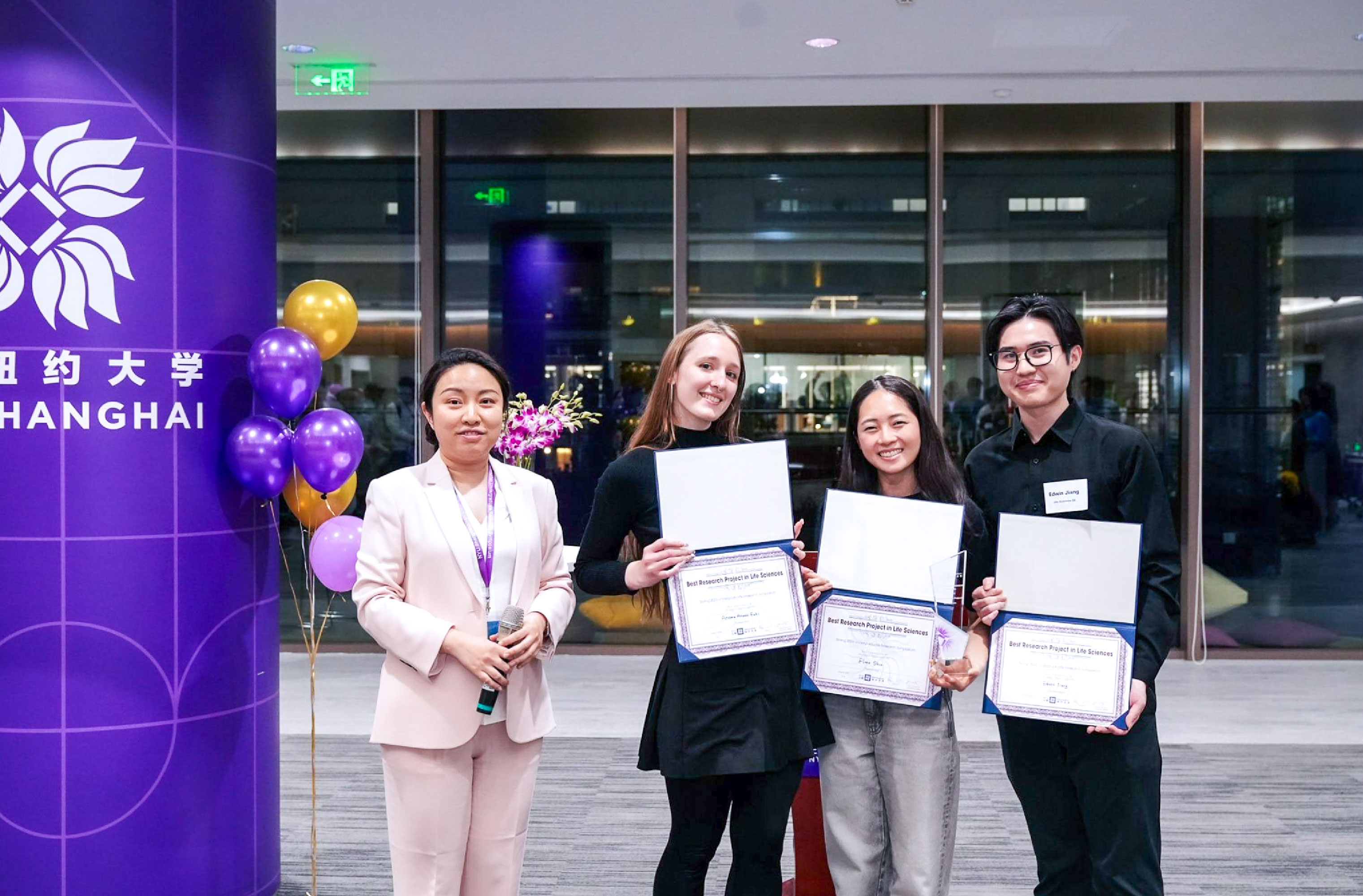
Maintenance of Genome Stability by PTIP Implicates Dual Roles in Cancer Development
Researchers: Ariana Arwen Fahl '26, Edwin Jiang '26, and Flora Shin '26
Faculty Mentor: Jungseog Kang
Project Abstract: Studies suggest that PTIP functions in double-strand DNA break (DSB) repair and interacts with centromeric MPS1 kinase. Therefore, we want to study whether PTIP plays a role in centromeric DSB repair which is often dysregulated in cancer. We first demonstrate that inactivation of PTIP in HeLa cells increased sensitivity to DNA-damaging agents and changed the dynamic level of γH2AX, a molecular marker of DSB, in a site-specific manner. The critical region of PTIP for DSB repair resides in the middle BRCT domains. Together, these findings suggest that PTIP plays a critical role in DSB repair at centromeres.
What did you learn from this experience?
Ariana Fahl: I learned I am capable of whatever I put my mind to. The hardest part of learning biology is learning the language-- which can take many years! However, once the language is learned, everything else is second nature. Working with my mentor has been nothing short of inspiring. To know that my professor trusts me with working in his lab and managing expensive equipment makes me feel capable and strong.
Flor Shin: I learned from a lot of failures. Every trials, I would experience failure or mistakes, but from those, I was able to make my lab techniques more precise and perfect. I would not make a same mistake from previous experiment, and I feel like this is the biggest outcome for me regardless how good or bad results were.
What was most surprising to you about this experience?
Edwin Jiang: What surprised me most about this experience was how challenging and unpredictable laboratory research can be. My past experiences in a lab were in a more relaxed environment, and I did not experience many difficulties or issues, but this time it was completely different. We encountered many unexpected setbacks, including contamination, inconsistent results, and sudden cell death. It made me realize how sensitive and precise research work can be and how much patience is required in the scientific process.
Best Presentation
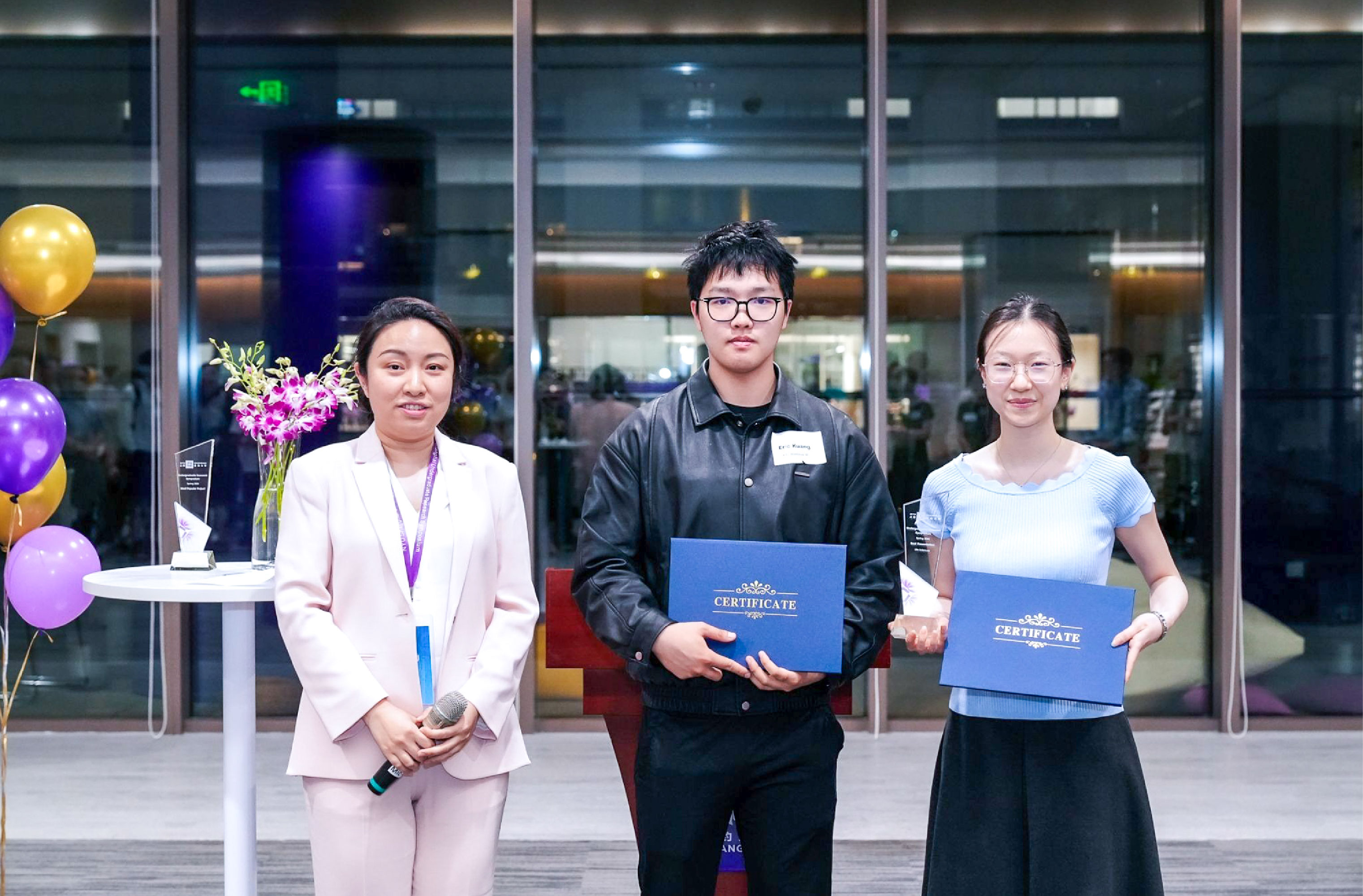
MCRS1 Loss Suppresses Cell Proliferation Independently of the p53 Axis While Inducing Chromosomal Instability
Researchers: Eric Kuang '26, Emily Ning Zhuang '26
Faculty Mentor: Jungseog Kang
Project Abstract: Colorectal cancer (CRC) is a leading causes of cancer mortality. Little research exists on chromosome instability (CIN), a hallmark of cancer, in CRC. Here, we introduced major cancer gene mutations of CRC such as kRAS, p53, or Microspherule Protein 1(MCRS1), in normal or cancer colon cells and studied how MCRS1 loss impacts cell proliferation rate and CIN. Our studies discovered that with MCRS1 loss, CIN dramatically increases, and cell proliferation is altered in a P53-independent manner.
What was it like working with your mentor?
Emily: I think working with Professor Kang was very inspiring. His guidance was very helpful, especially in cases where I was stuck at a blank point on how to push my research forwards.
What did you learn from this experience?
Emily: I learned that research is definitely not a linear pathway to a final answer. In fact, our final biggest finding was something we found interesting through our previous research and decided to investigate more on; it was not the exact answer to our original research question. Research setbacks and unexpected results led to us branching off from the original goal, but it was very interesting regardless.
Most Popular Project
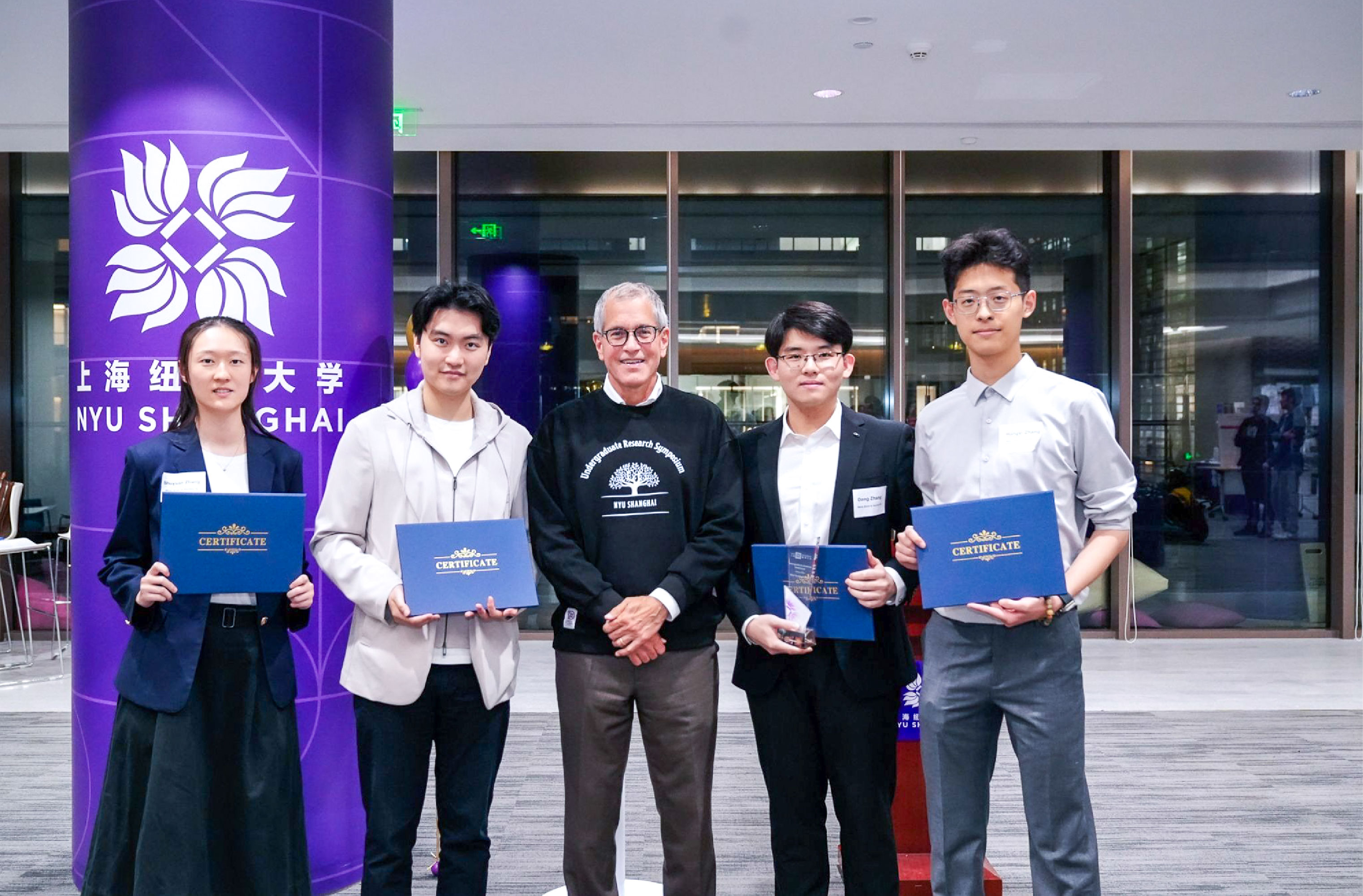
Fingerprinting the Invisible Hand of the State in China's ETF Market
Researchers: Shi Xingyu ’26, Zhang Dong ’26, Zhang Hongyi ’28, Zhang Shuyuan ’26
Faculty Mentor: Zhou Xin
Project Abstract: Understanding “National Team” intervention is critical for analyzing liquidity provision and market stabilization in China’s capital market. Existing studies rely on low-frequency stock-holding disclosures, limiting daily timing analysis. We propose a daily identification framework using ETF pairs that share comparable underlying scope but differ in observable state-backed holding intensity. By constructing rolling-standardized relative factors across secondary-market and primary-market channels and fusing them into a unified daily intervention index, we align same-day trading signals with T+2 primary-market signals. The resulting index matches major policy windows and predicts delayed volatility stabilization, providing an implementable tool for studying policy-driven market dynamics.
What did you learn from this experience?
Zhang Dong: I learned that research topics can originate from everyday life. When inspiration comes from real-world observations, it not only makes the research more meaningful but also provides stronger motivation throughout the process. It helps ensure that the work remains grounded and practically relevant.
What was most surprising to you about this experience?
Zhang Dong: What surprised us the most was the outcome of our research. The phenomenon we studied was highly “invisible,” and at the beginning, we were simply exploring whether it might be possible to uncover it indirectly through alternative data. We did not expect to succeed—but in the end, we managed to reveal it, which was both exciting and rewarding.