

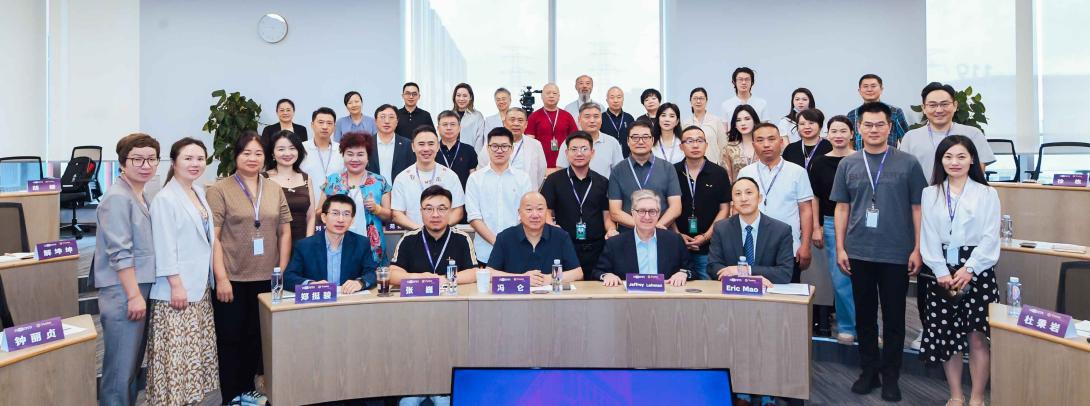
On August 27 and 28, NYU Shanghai welcomed 40 founders and CEOs of small and medium-sized enterprises from across China for a customized executive education program focused on organizational transformation and business innovation in the digital and AI age. The program was delivered in partnership with Yunhe Business School, whose prestigious CEO Academy has trained 1300 senior business leaders since its founding in 2021.
Organized by the NYU Shanghai Office of Non-Degree Programs and consisting of four modules taught by different professors, the program was designed around an increasingly difficult challenge confronting corporate C-suites: how to navigate the implications of technological change for business strategy, marketing and customer engagement, organizational processes, innovation, and long-term competitiveness. Rather than approaching artificial intelligence primarily as a technical subject, the program placed AI within the broader responsibilities of enterprise leadership.
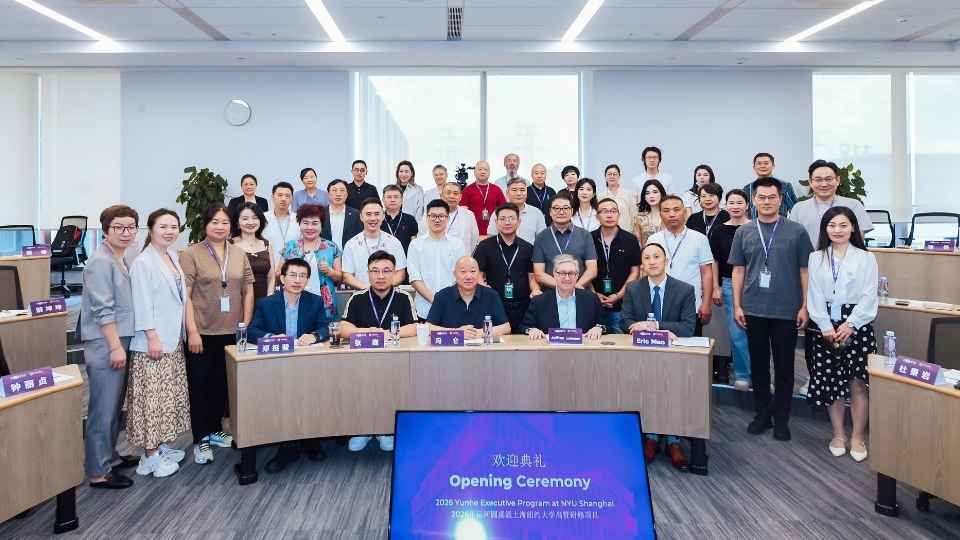
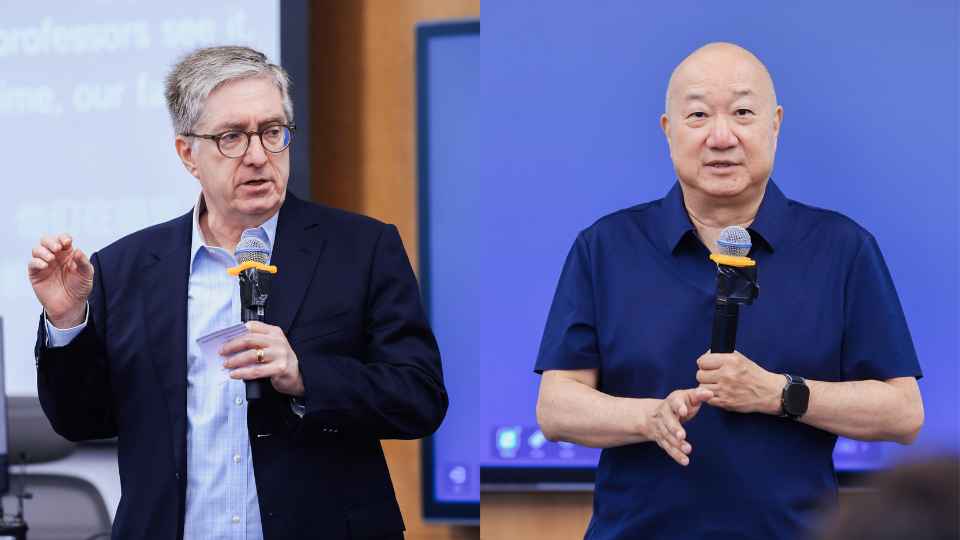
Following welcome speeches by Vice Chancellor Jeffrey Lehman, Assistant Vice Provost of Non-Degree Programs Eric H. Mao, and Feng Lun, CEOof Yufeng Group, member of the New York University Board of Trustees, Professor Zheng Tingjun led off the program with a module aimed at establishing a foundational framework for understanding AI. Participants explored major forms and applications of artificial intelligence and considered how to assess what AI can—and cannot—do. Professor Zheng also rooted the evolution of AI in classical principles of Chinese wisdom.
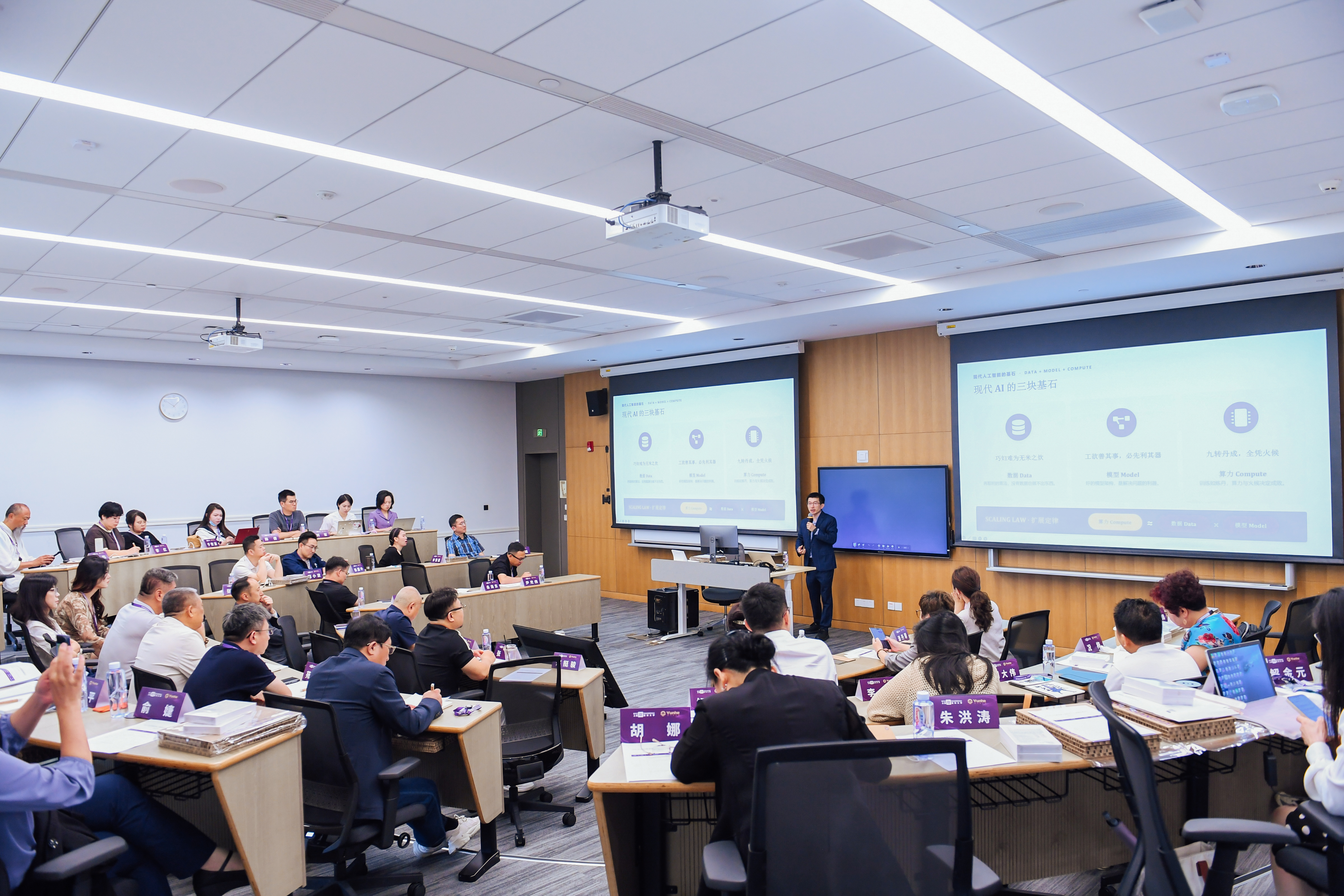
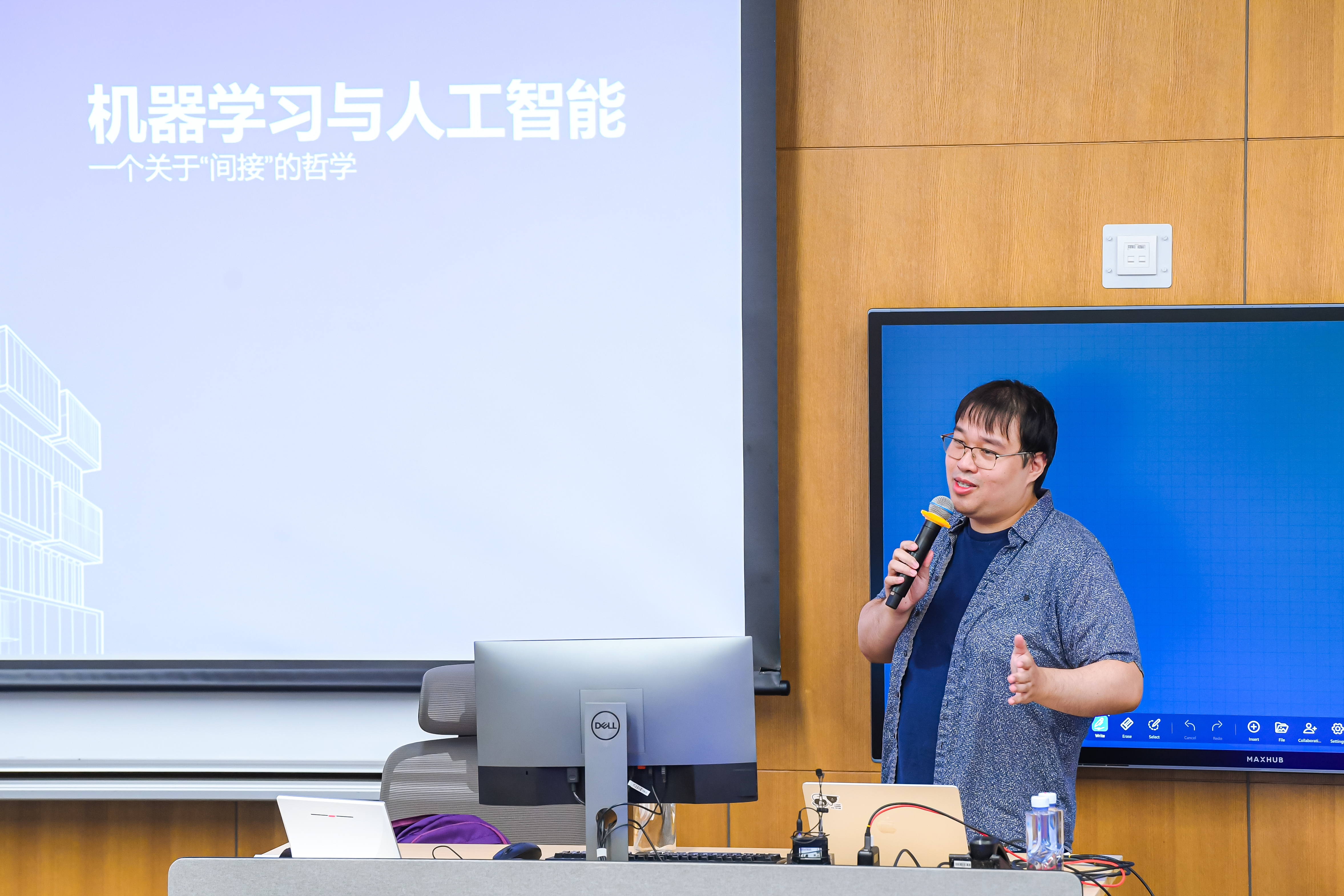
In the second module, taught by industry lecturer Sun Xianjie, participants examined how AI and digital technologies are reshaping the retail economy, from customer acquisition, conversion, physical store operations, and the relationship between online and offline channels.
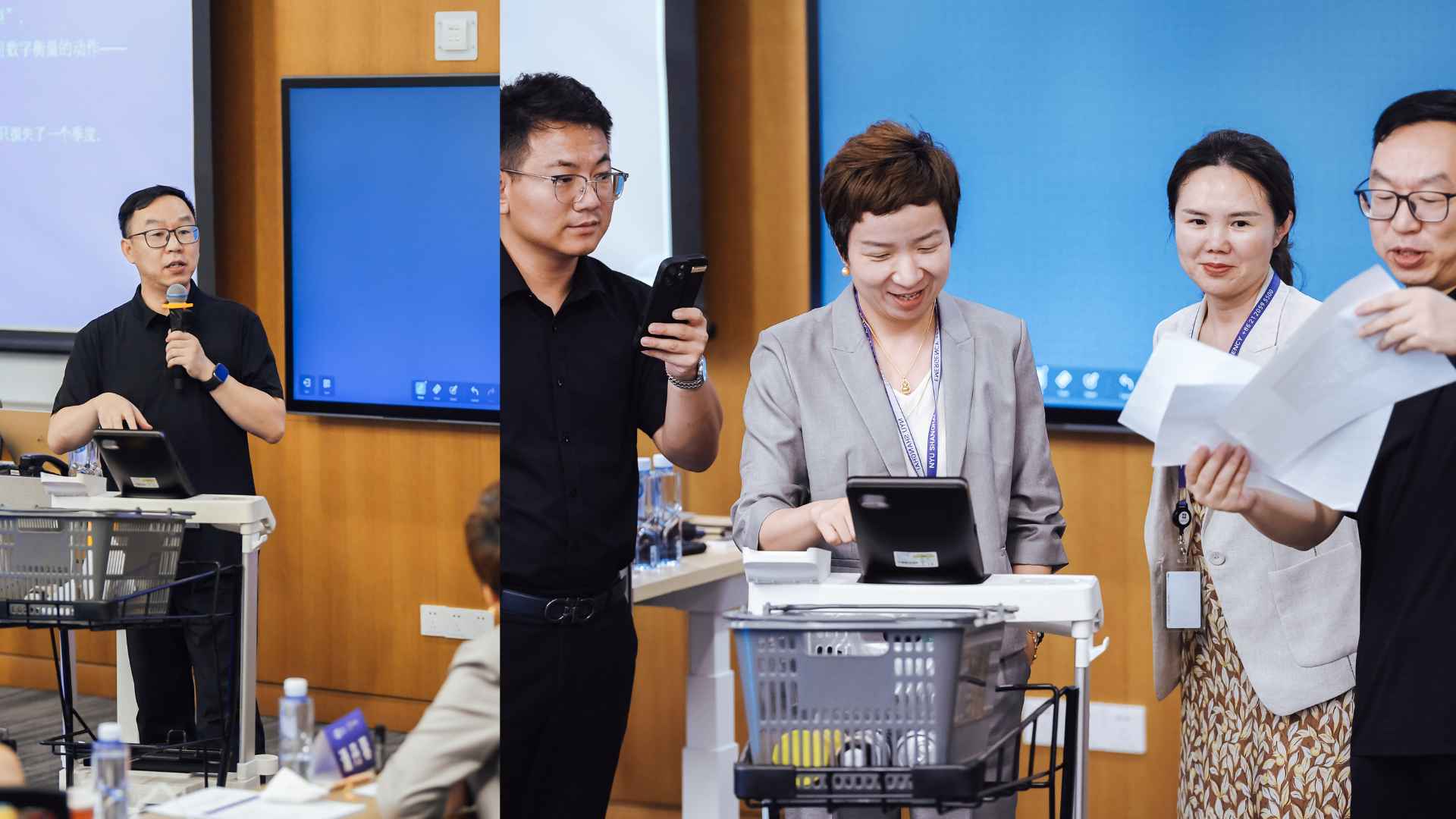
On the second day, Professor Wang Shengjie explored the rapid development of AI agents, which are beginning to move beyond generating content or answering questions toward completing multi-step tasks and supporting business processes. Examples from management, pharmaceutical research and development, and advanced manufacturing illustrated how AI may increase individual productivity, improve workflows, and help organizations capture and scale knowledge.
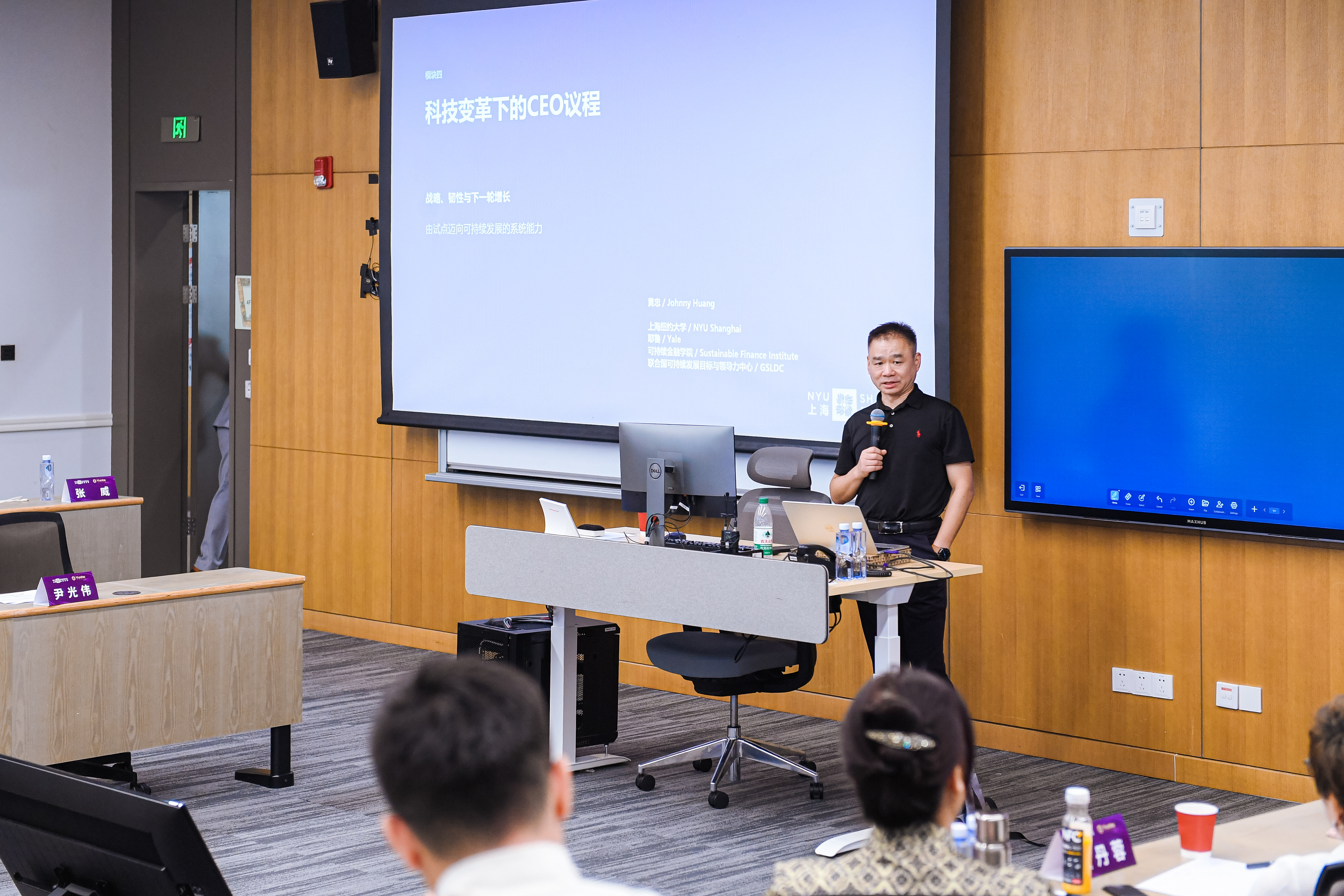
The final module, taught by industry lecturer Huang Zhong, brought the preceding discussions together at the level of the CEO agenda. Participants considered where future growth might come from, how AI and sustainability can contribute to new competitive capabilities, and how companies can strengthen their ability to adapt to technological and international changes.
The two days offered two subjects of study rather than one, Feng remarked. Beyond the present and future of artificial intelligence, the university itself is worth understanding: how an institution like New York University has sustained the same high quality of education across nearly two centuries and around the world. "What mechanisms have made it what it is today?" he said. "That is the same question we ask about our own companies."
Throughout the program, faculty-led instruction was combined with case studies, demonstrations, and peer exchange. The diversity of the cohort added another dimension to the learning experience as leaders from different industries and regions were able to compare how similar challenges play out in different business environments.
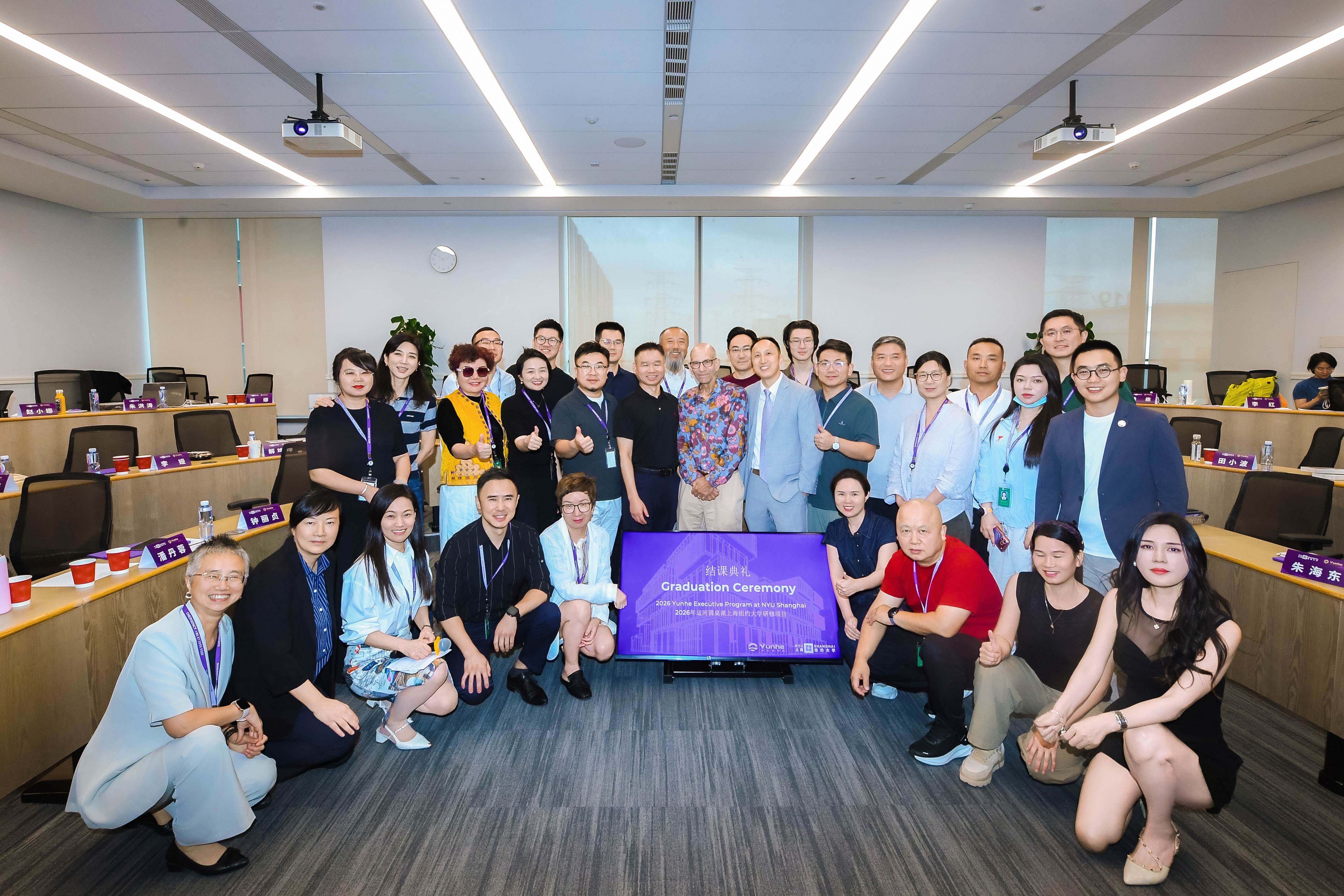
Participants represented companies from geographic areas including Beijing, Shanghai, Shenzhen, Chongqing, Shenyang, Ningbo, Tianjin, Hong Kong, and locations across Zhejiang, Jiangsu, Guangdong, Hebei, Hainan, Jilin, Shaanxi, and other parts of the country. Their businesses spanned a similarly wide range of sectors, including manufacturing, energy, healthcare, financial services and investment, real estate and construction, education, logistics, e-commerce, media, hospitality, and professional services.
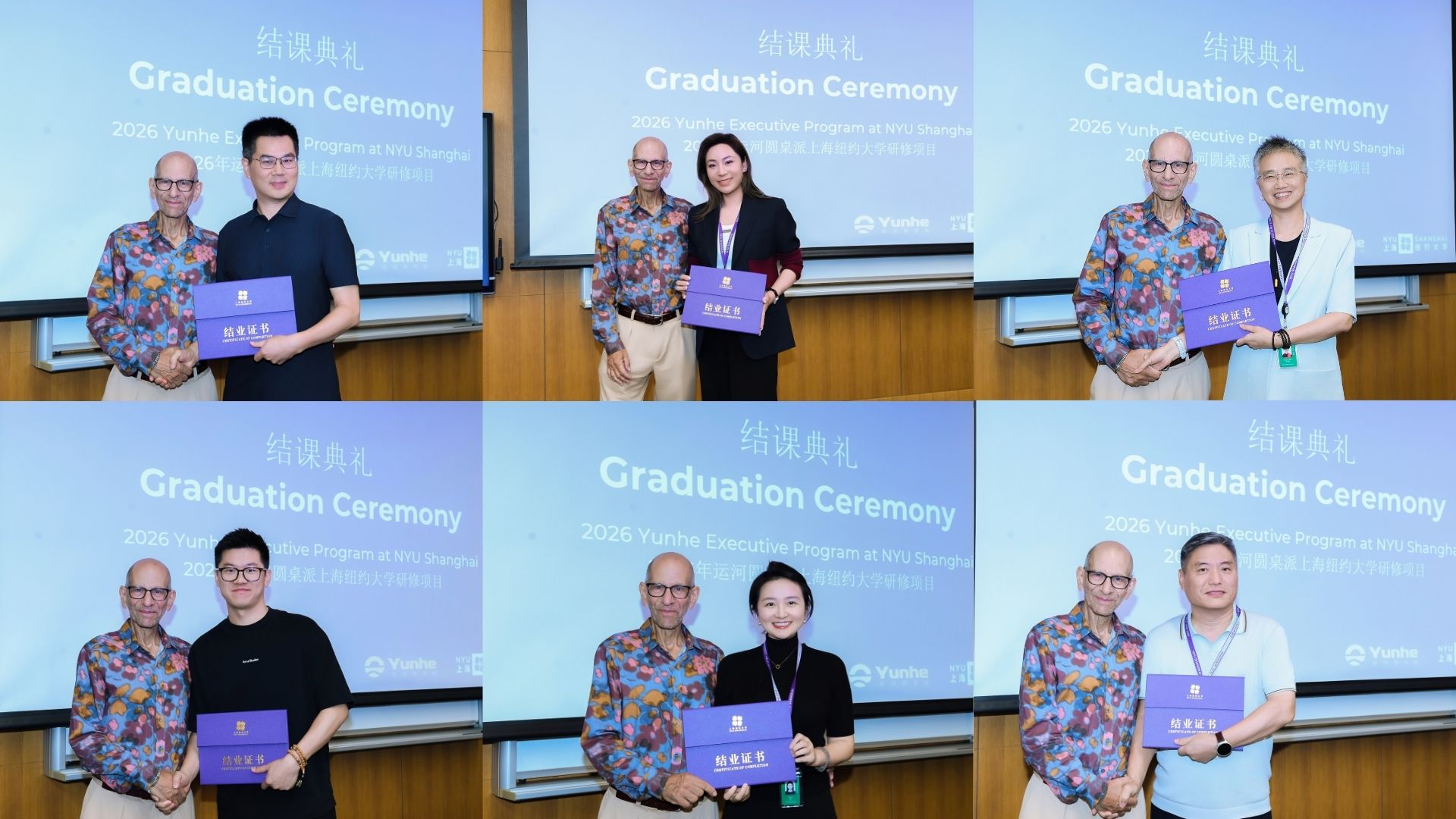
At the conclusion of the program, all participants received personalized certificates during a ceremony presided by Ted Magder, Vice Provost for Academic Affairs and Faculty Affairs.
About NYU Shanghai Custom Programs
NYU Shanghai works with domestic and overseas companies, non-profits, and other organizations across sectors to design customized educational programs that combine academic teaching with applied relevance. Drawing on interdisciplinary expertise and a global perspective, NYU Shanghai’s faculty and non-degree education teams develop group learning experiences that are grounded in careful co-design with partner organizations.
For more information about customized education and partnership opportunities at NYU Shanghai, visit the Office of Non-Degree Programs (ONDP) website or contact the ONDP at shanghai.nondegree@nyu.edu.