

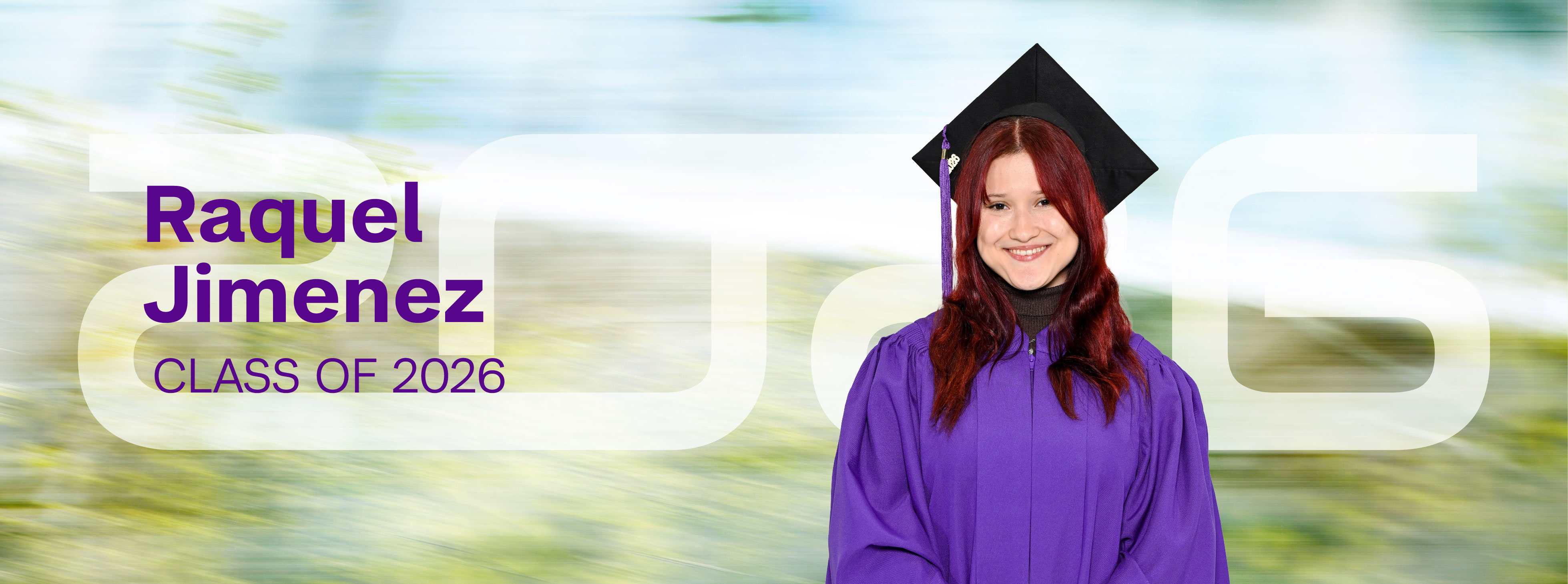
When Raquel Jimenez ’26 arrived at NYU Shanghai from a small town in Costa Rica, she was clear about her direction. Growing up in a country known for its biodiversity, she had become conscientious about the environment since she was little. By high school, that interest led her to Decarbonize Decolonize, an international youth initiative where she represented her country alongside peers from Poland and Colombia, discussing each country’s most pressing environmental issues. Later, she co-authored a global youth paper on climate change and presented it to UNESCO leaders. The experience had only deepened Raquel’s commitment to environmental work.
At NYU Shanghai, she expected to continue on this path, and planned to major in Social Science with an Environmental Studies track.
But early in her first year, while taking Global Perspectives on Society, she stumbled upon the field of data science and found herself drawn in by everything from the ethics of data analysis to artificial intelligence. “I found it so mind-blowing,” she recalled.
As she continued on her academic journey, taking research-heavy social science classes, , Raquel realized that she didn’t want to immediately continue on to graduate studies after graduation. What she really wanted was a stronger, more practical foundation, and more immediate career options after graduation. The future she was planning for herself began to shift.
At first, she considered adding Data Science as a minor, but then in what she called a dramatic “180-degree complete turn,” she switched her major to Data Science and added a minor in Chinese Language, almost a year after most of her peers had already settled on a major. It was a risky move, but Raquel felt ready to face the challenge. “If I want to do it, I have to do it now,” she recalled thinking. “What’s the worst that can happen?”
Turns out, the late direction shift in direction was harder than she could have imagined. Without a strong STEM background, the transition from essay writing to technical exams and coding-heavy coursework was jarring for her. Watching classmates with years of coding experience move more quickly through the material only made that gap feel sharper.
But there was no giving up. What got her through, she said, was not one breakthrough, but a slow accumulation of habits: late night study sessions, extra review, and watching YouTube videos to improve her coding knowledge. “A lot of repetition and a lot of patience with yourself was essential,” she said. At one point, in a semester packed with five demanding classes, she was stretched so thin there was barely room to breathe, let alone hang out with friends.
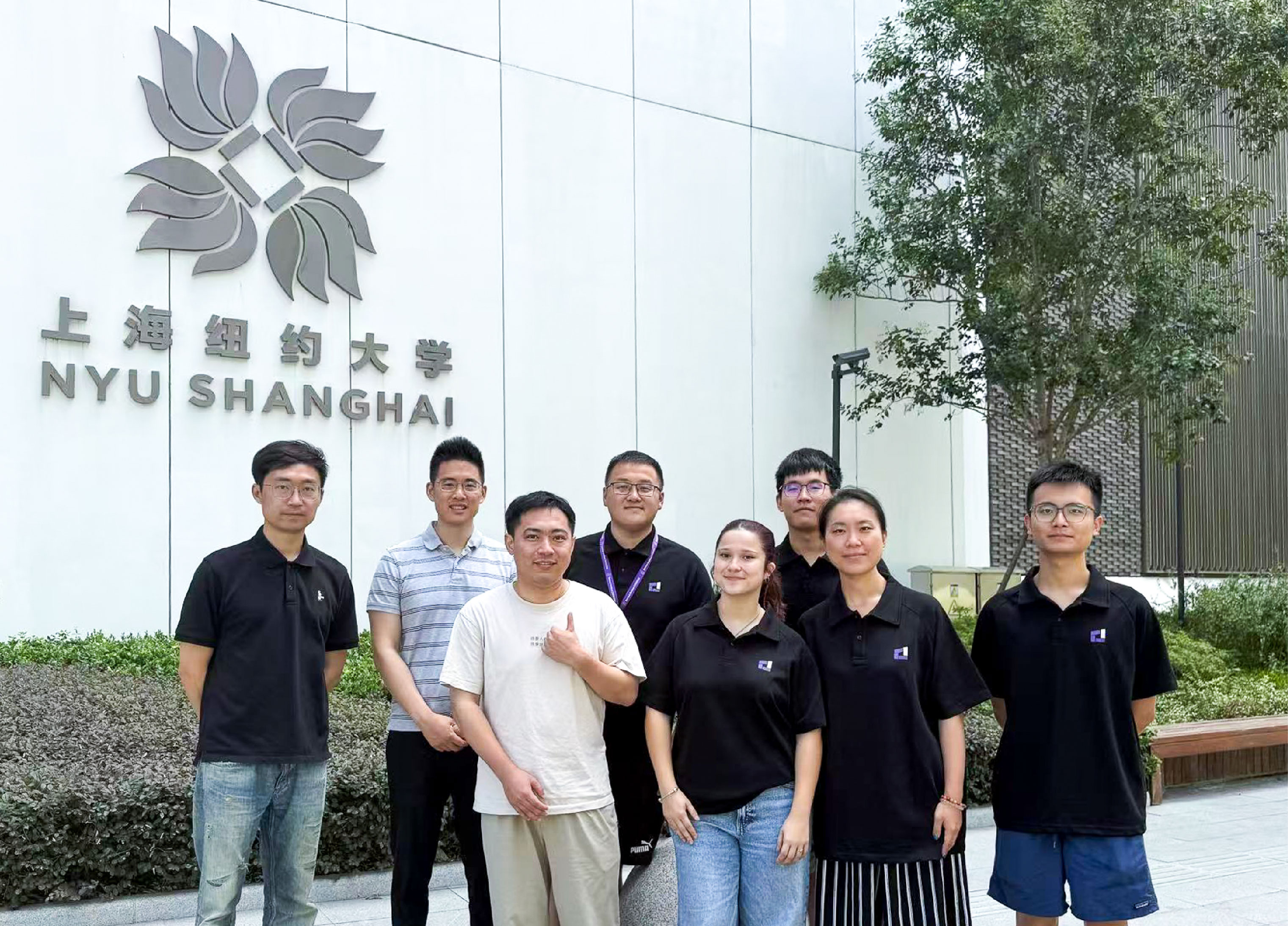
The support from the people gave her strength and helped her carry on, even when she had her doubts. Her best friend reminded her that it was okay to take the road less traveled. Her mother reminded her not to confuse temporary setbacks with permanent limits. “No one is born knowing,” she reassured Raquel. “And just because some people are already ahead at your age, doesn’t mean that you can’t get to that point as well eventually.” Looking back, she can now see the wisdom of their words.
Her family inspired her classwork as well. Growing up, Raquel had seen firsthand her mother’s patience and care as primary caregiver for her grandmother, who was experiencing memory loss. When it came time for her capstone, she and her teammates built GuideMe, an Android app that helps the elderly learn how to use smartphones through interactive, step-by-step simulations. Focusing on everyday tasks like taking photos, making calls, and adjusting Wi-Fi settings, the app pairs guided lessons with visual and audio support so users can practice in a low-pressure way. Raquel built the machine learning model behind the app, which interprets a user’s text or voice question and routes them to the right lesson.
Professor of Practice in Computer Science Xu Lihua, who mentored Raquel for her capstone project, described Raquel as a hardworking, persistent, and empathetic student who brought both technical rigor and a strong user-centered mindset to her capstone.
“I think her story is a great example of what interdisciplinary learning can look like when it really works,” Professor Xu said. “She didn’t come in with a traditional technical background, but she was willing to learn, put in the time, and step outside her comfort zone. At the same time, she didn’t lose what she brought from Social Science – that perspective actually became a strength, especially in a project like hers. It’s a combination that will serve her really well going forward.”
Even after switching to Data Science, Raquel realized she could bring those skills to environmental research. As a research assistant for Assistant Professor of Environmental Studies Huang Kangning, she is assisting in research on how extreme weather, particularly heat waves and flooding, can shape urban residents’ movement patterns.
“What’s unique about Raquel is her interdisciplinary thinking skills,” Professor Huang said. “The training allows her to see the connections between environmental problems and the techniques in data science.”
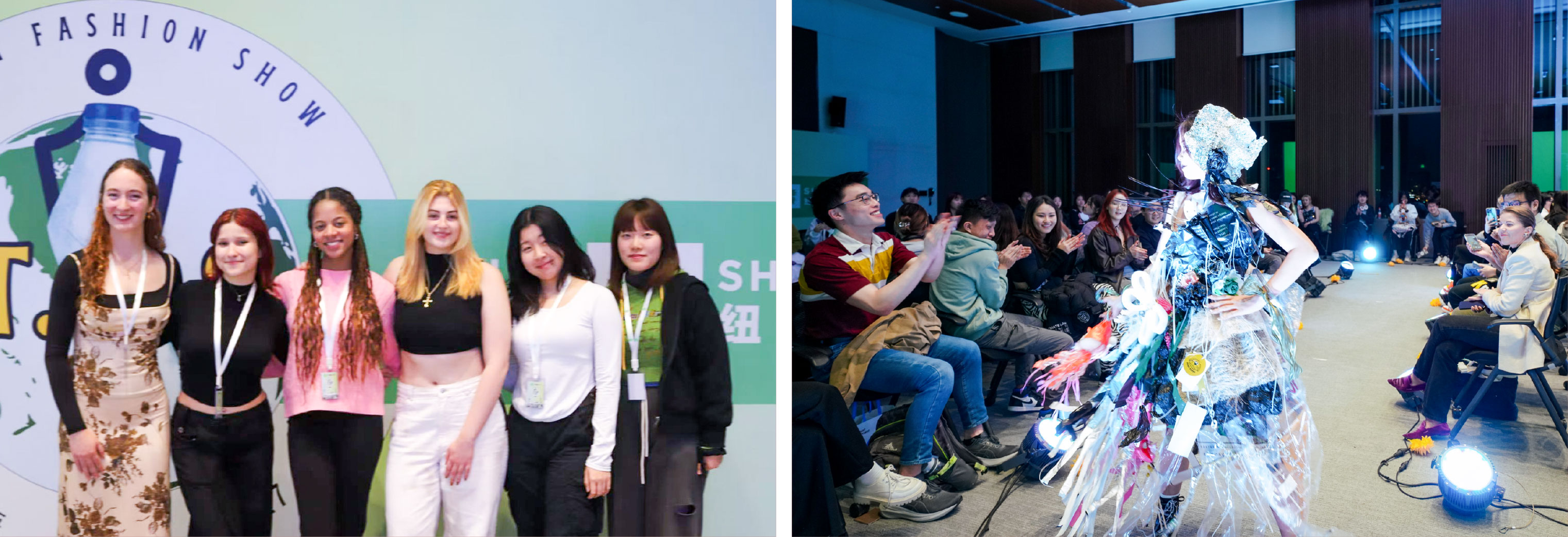
Outside of the classroom, Raquel found a home in the Green Shanghai student club. In her sophomore year, she led the club, engaging in environmental campaigns on local and global issues, coordinating upcycling workshops, working with Student Government on campus sustainability initiatives, organizing Green Shanghai’s annual Green Week and reimagining the popular Trash Fashion Show, adding live voting, themed elements, and a more flexible format for busy student designers and models. “I wanted Green Shanghai to be a place for everyone,” she said.
Raquel took advantage of her Fall 2024 study away semester in New York to build connections through courses, clubs, and events, including Data Science club activities and “Girls Who Code” workshops, where she appreciated being able to get hands-on experience.

Returning to Shanghai, she realized the campus here offered something special: a close-knit community and strong friendships. Although that semester in NYU offered her access to new resources and connections, “I’m so glad that I ended up in NYU Shanghai,” she said.
These past four years, she says, have made her more disciplined, more patient, more realistic about what ambition actually requires, and more confident in taking risks. As graduation approaches, Raquel is considering job opportunities either in China or back home in Costa Rica. Either way, she knows her future lies in the intersection of Environmental Studies and Data Science.
Her advice to fellow students? “Make sure there’s at least some sort of passion behind what you’re choosing, because with passion, everything is so much easier to do. Good things really are worth the fight.”