

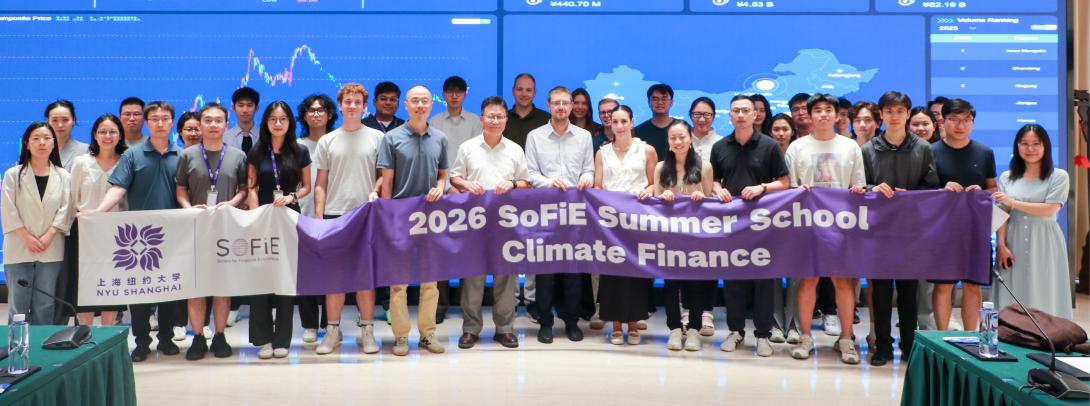
The Society for Financial Econometrics (SoFiE) Summer School returned to NYU Shanghai from July 6 to 10, bringing together around 40 young scholars from Europe, North America, and Asia. Hosted by the Volatility Institute at NYU Shanghai (VINS) for the ninth year, and supported by the Yu Yu Fund, the program focused on climate finance and the ways climate-related risks are affecting financial markets, firms, and policy.
This year’s cohort included PhD students, researchers, and junior faculty members from institutions including RWTH Aachen University; Cornell University; the University of California, Berkeley; the National University of Singapore; McGill University; Monash University; Fudan University; and Shanghai Jiao Tong University; as well as the World Bank Group.
Opening the summer school, NYU Shanghai Vice Chancellor Jeffrey Lehman encouraged participants to examine how climate risks can be priced and hedged, and how they interact with investment strategies and wider economic feedback loops.
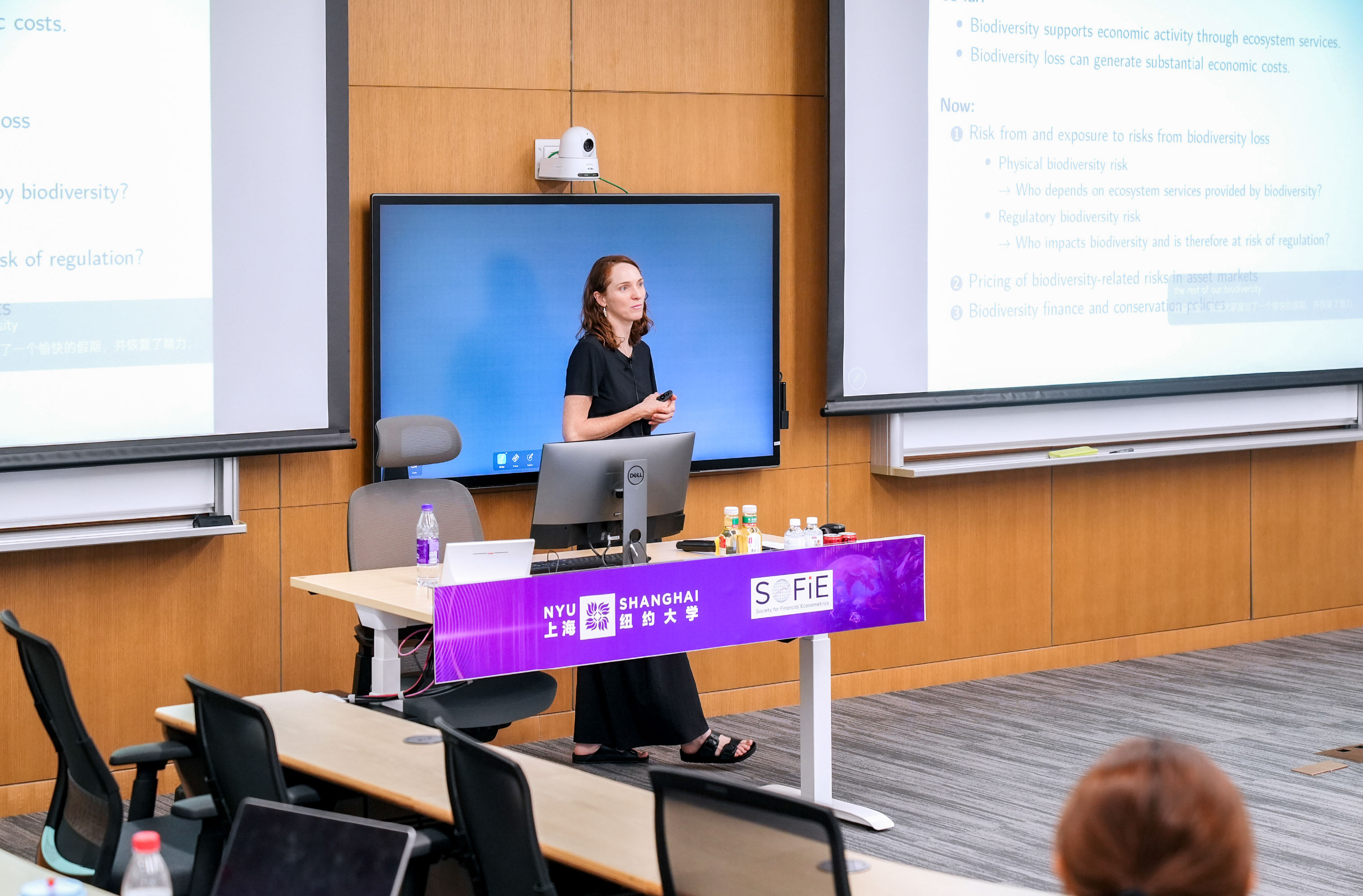
The week-long program, led by Professor Johannes Stroebel and Professor Theresa Kuchler of NYU Stern School of Business introduced students to current research questions and methodological approaches in climate finance through lectures, discussions, guest talks, and participant presentations.
Kuchler emphasized the value of exposing young scholars to cutting-edge work across different areas. “Hopefully, knowing more will help students decide what interests them and which questions and topics they would like to work in,” she said. She added that engaging with different research approaches and with peers at a similar stage of their careers could be equally valuable to participants’ development.
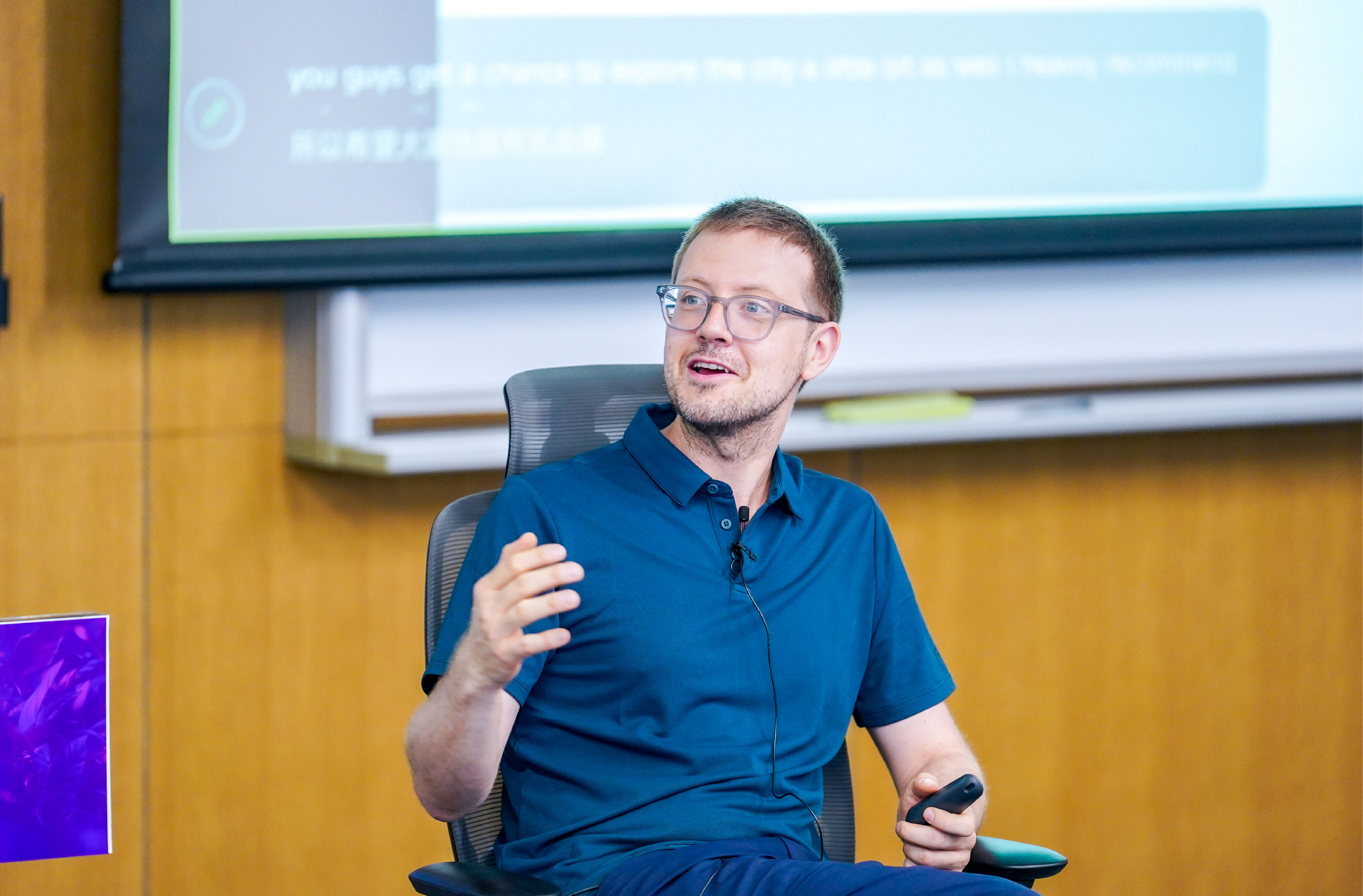
Stroebel’s sessions examined how financial economics can contribute to the design of climate policy and carbon markets. He discussed how carbon pricing can help account for the social costs of emissions, why carbon prices vary widely across jurisdictions, and how market design affects firms’ incentives to reduce emissions. He also addressed carbon border adjustment mechanisms, uncertainty in future carbon prices, and the challenges of ensuring that voluntary carbon credits represent genuine emissions reductions.
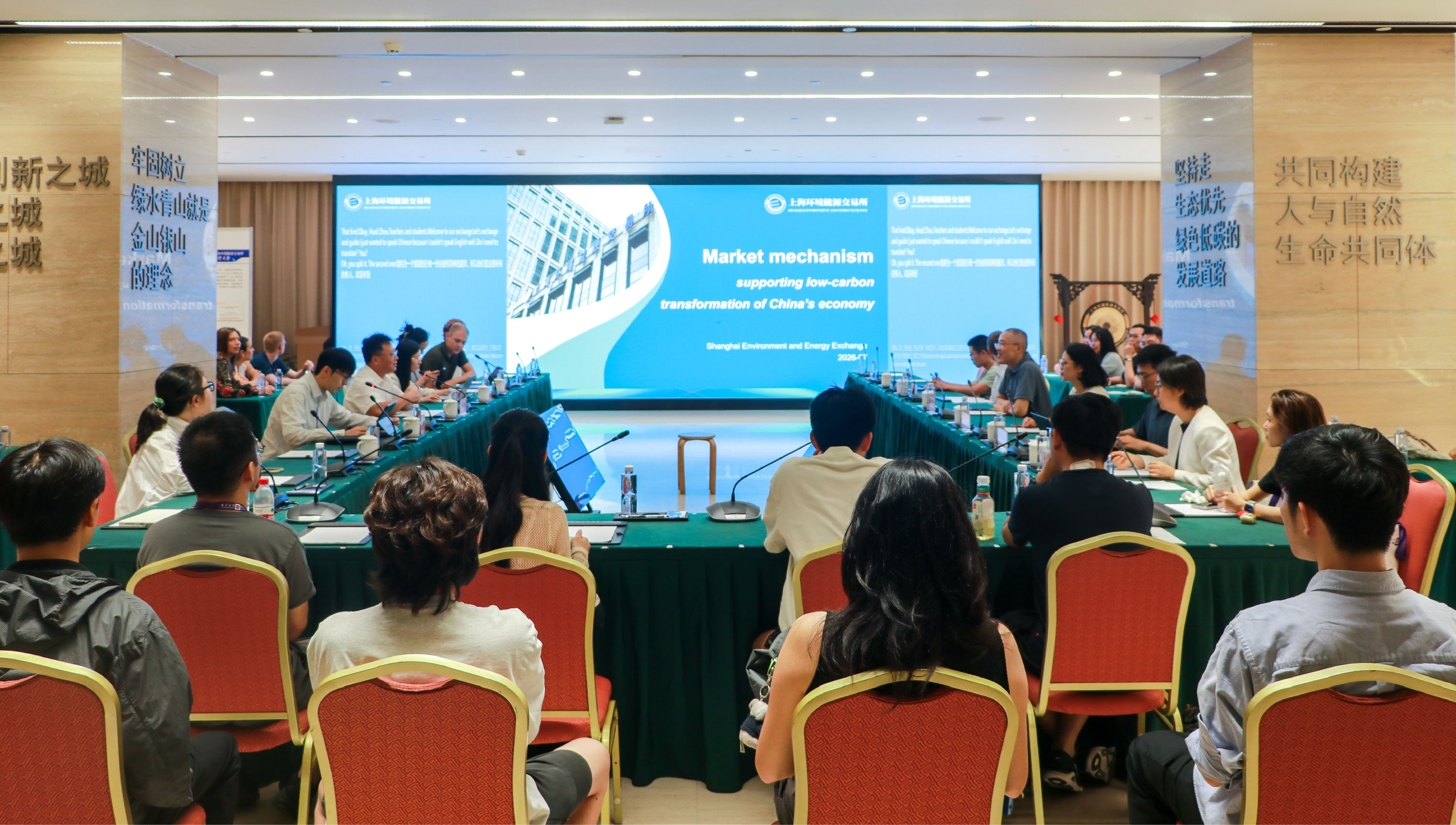
On July 10, participants visited the Shanghai Environment and Energy Exchange, where Stroebel delivered a keynote linking the week’s academic discussions with the operation of carbon markets in practice. “Emissions are a core externality,” he said, explaining that effective pricing mechanisms are intended to make polluters account for costs otherwise borne by society. He stressed that the design of emissions trading systems matters: overlapping regulations, uneven prices across markets, and uncertainty about future prices can all weaken incentives for long-term decarbonization.
Participants said they valued both the formal instruction and the opportunity for informal exchange. “The calibre of lecturers was outstanding, and the cohort of fellow participants brought an extraordinary depth of perspective and expertise that enriched every conversation,” said Dominik Vukušić from the World Bank Group. “Those moments of candid dialogue were, in many ways, as instructive as the programme itself.”
The SoFiE Financial Econometrics Summer School is a research-based program in statistics, econometrics, and finance for PhD students, researchers, and junior faculty. Held annually at academic institutions around the world, the summer school has now been hosted by NYU Shanghai nine times.