

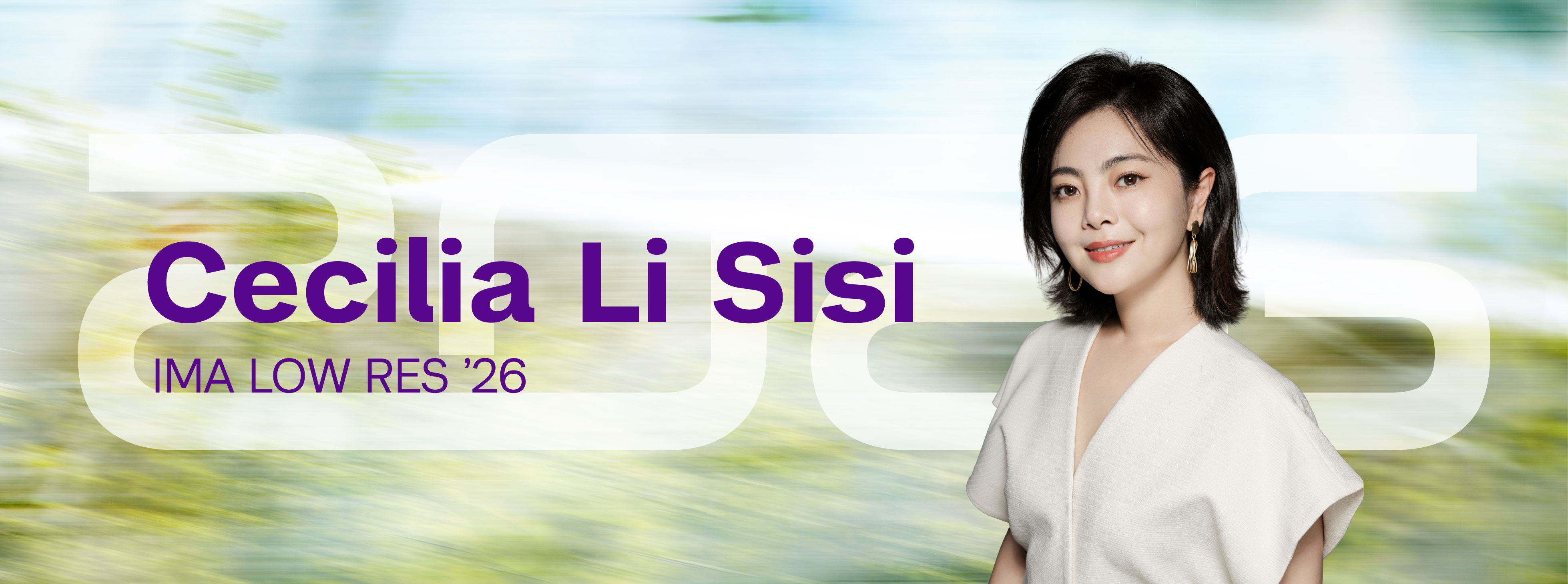
Cecilia Li Sisi, IMA Low Res ’26 has followed her curiosity across disciplines and geographies. She attended secondary school in Singapore, completed both her undergraduate and graduate studies in the UK, and now lives in Beijing. Over the years, she has worked as a fiction translator, worked on film sets as an assistant director, hosted a bilingual TV show and worked as a film producer and director.
Today, she is a producer at National Geographic, collaborating with photographers, scientists, and explorers to bring stories about nature, culture, wildlife, and frontier technology to the screen. She is also the mother of two boys, a beginner cellist, and an avid traveler who traveled to seven continents and more than 50 countries before she turned 30. “My core motivation has always been an endless curiosity about the world,” she said.
Enrolling in the Interactive Media Arts Low Residency (IMA Low Res) Master’s Program was not about starting over, she said. It was about learning to think differently.
From Watching to Participating
Before joining the IMA Low Res, Cecilia already had extensive experience in film and documentary work. But she began to feel that audiences were changing. “I used to think that if a film was well shot and beautifully edited, audiences would naturally be drawn in,” she said. “But now their threshold is higher. They don’t just want to watch. They want to touch, play, and participate.”
That is what drew her to the program. She was especially attracted to the interdisciplinary approach. “It doesn’t just teach technology,” she said. “It integrates technology, art, and interactive thinking.” And the low residence format, mixing independent work with intensive short-term classes on three continents made it possible for her to balance her studies with a full-time job and family.
Returning to the Classroom
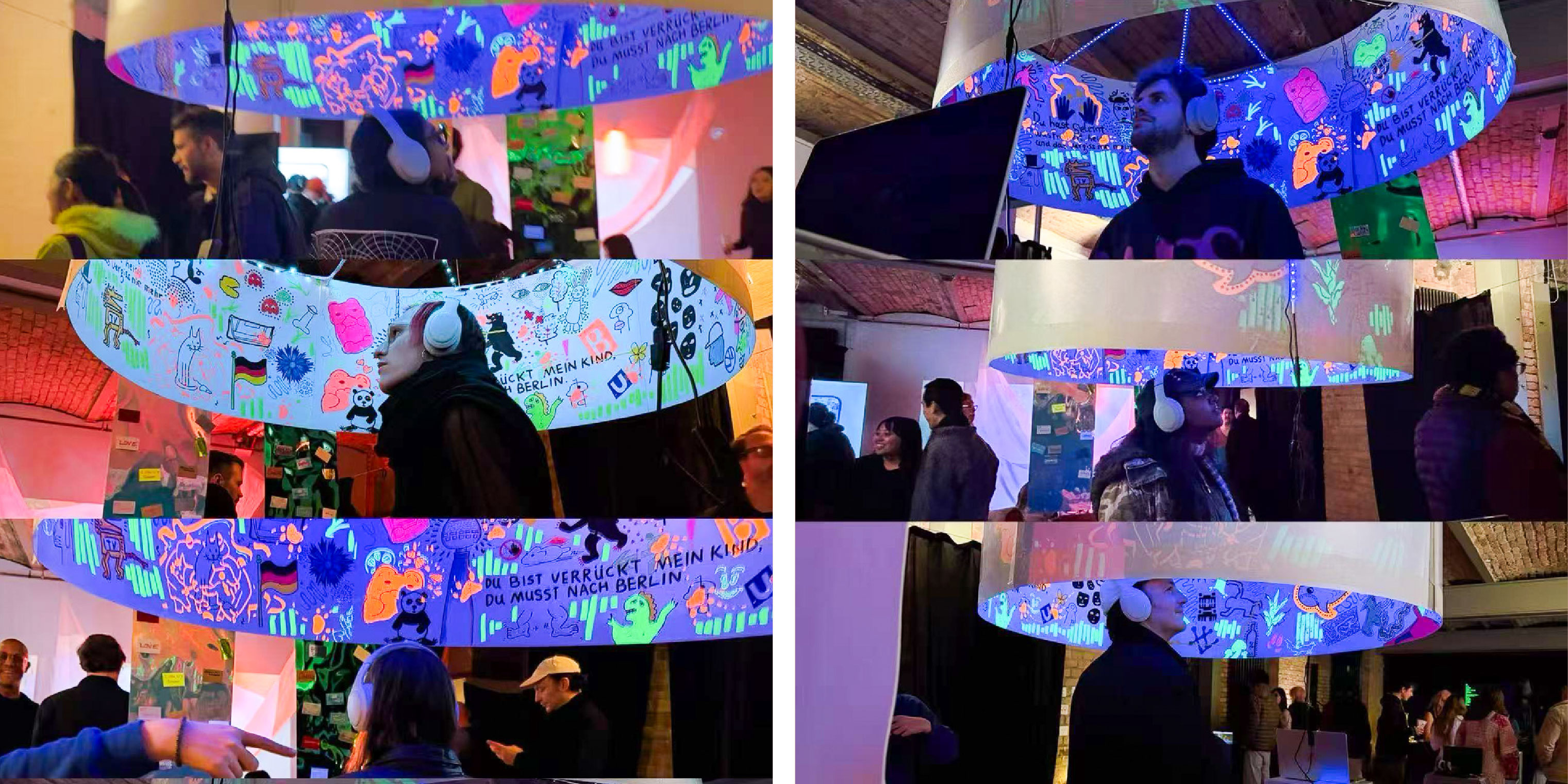
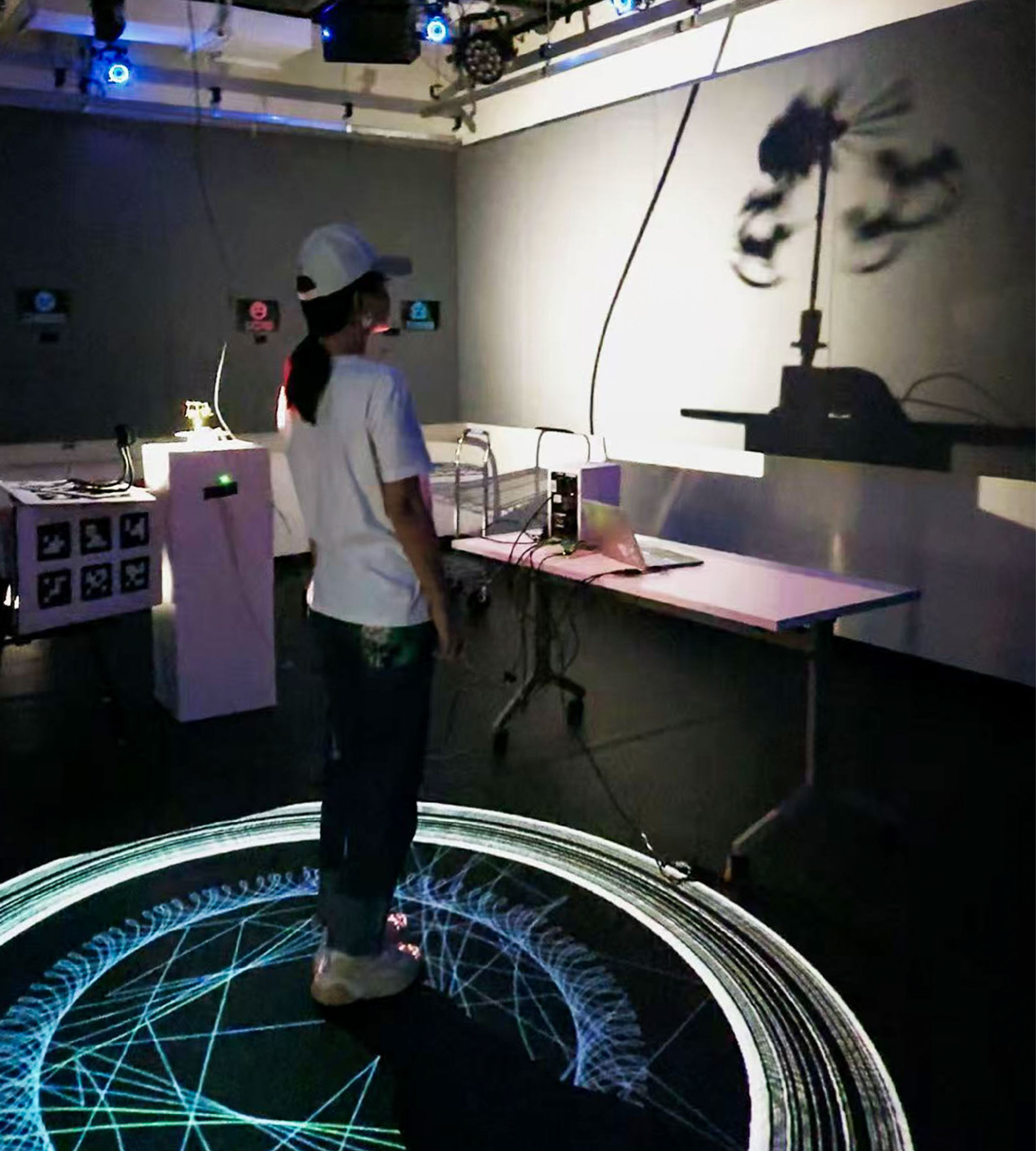
Going back to school was exciting for Cecilia, allowing her to experiment with new formats. And as she began to experiment with interactive installations and coding, she discovered something. Using code to generate interactive responses felt transformative. “It broke through that wall of the screen and turned the audience from observers into participants,” she said. Content stopped feeling like a one-way output and became something more open—an invitation to interact, rather than a transmission.
Cecilia says that is the most important difference between IMA Low Res and traditional training in filmmaking. Conventional filmmaking tends to focus on refining audiovisual language. IMA Low Res, by contrast, builds a logic of participation. In IMA Low Res, she learned to consider not only how the creator tells a story, but also how the audience moves, responds, and helps complete it.
From Telling a Story to Designing an Experience
For a self-described perfectionist, the transition from results-oriented precision to experimentation helped her tap into creativity. “That shift, from having to get everything right to simply trying things out, helped me rediscover the pure joy I had when I first started creating,” she said.
Her professors encouraged students to show unfinished work and share failure. During one presentation, she brought in an unresolved project and talked through multiple possible directions. In return, her classmates and professors gave her enthusiastic feedback and unexpected ideas. “That made me reflect on whether I had been too focused on controlling outcomes, and whether I had been cutting off other possibilities in the process,” she said. Now she shares ideas earlier in the process and invites collaboration before things are fully formed—and finds the results more generative.
That shift moved her, gradually, from being a director observing the world to a creator designing experiences. “I used to push stories toward audiences,” she said, but now she envisions projects differently. “The logic of interactive media is to create a field where audiences walk in and pull the story for themselves.”
Leaving with New Questions
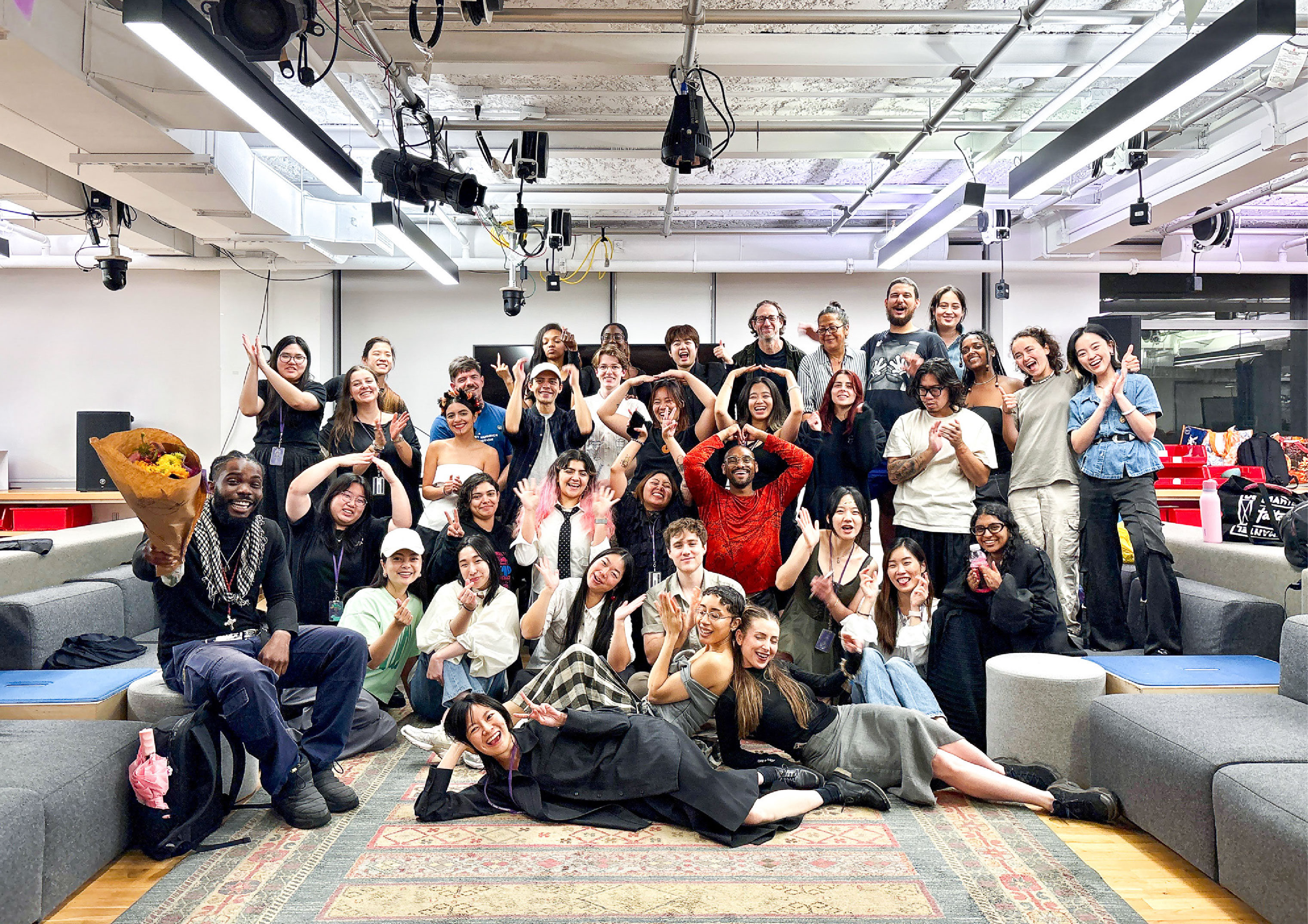
When she entered the IMA Low Res program, she hoped to find out how technology could empower content. What she found instead was more valuable.
“I found something more important than answers: the ability to ask new questions,” she said. She is now thinking less about how technology serves storytelling, and more about how emotional connection might be redefined in the future of media. The direction she most wants to explore is immersive documentary storytelling combined with physical space, using VR and AR to create something people can enter, sense, and interact with beyond the screen.
Her advice to anyone considering the field is straightforward: don’t let “technology” and “art” intimidate you. “Technology is always just a tool,” she said. “The roads you’ve walked, the books you’ve read, the films you’ve made, and the life you’ve lived—those are your irreplaceable creative archive.”